
"Grow Curious, Stay Green."

Why Bucephalandra Is Becoming the Most Wanted Aquarium Plant in India
📋 TABLE OF CONTENTS
- What Is Bucephalandra? A Quick Introduction
- Why Is Bucephalandra Exploding in Popularity in India?
- The Low-Tech Advantage: Perfect for Indian Hobbyists
- Bucephalandra Varieties Available in India — A Complete Guide
- Bucephalandra Care Guide: What You Need to Know
- Using Bucephalandra in Your Aquascape
- Why Bucephalandra Is a Shrimp-Keeper’s Dream
- Where to Buy Bucephalandra Online in India
- Frequently Asked Questions (Q&A)
- Conclusion
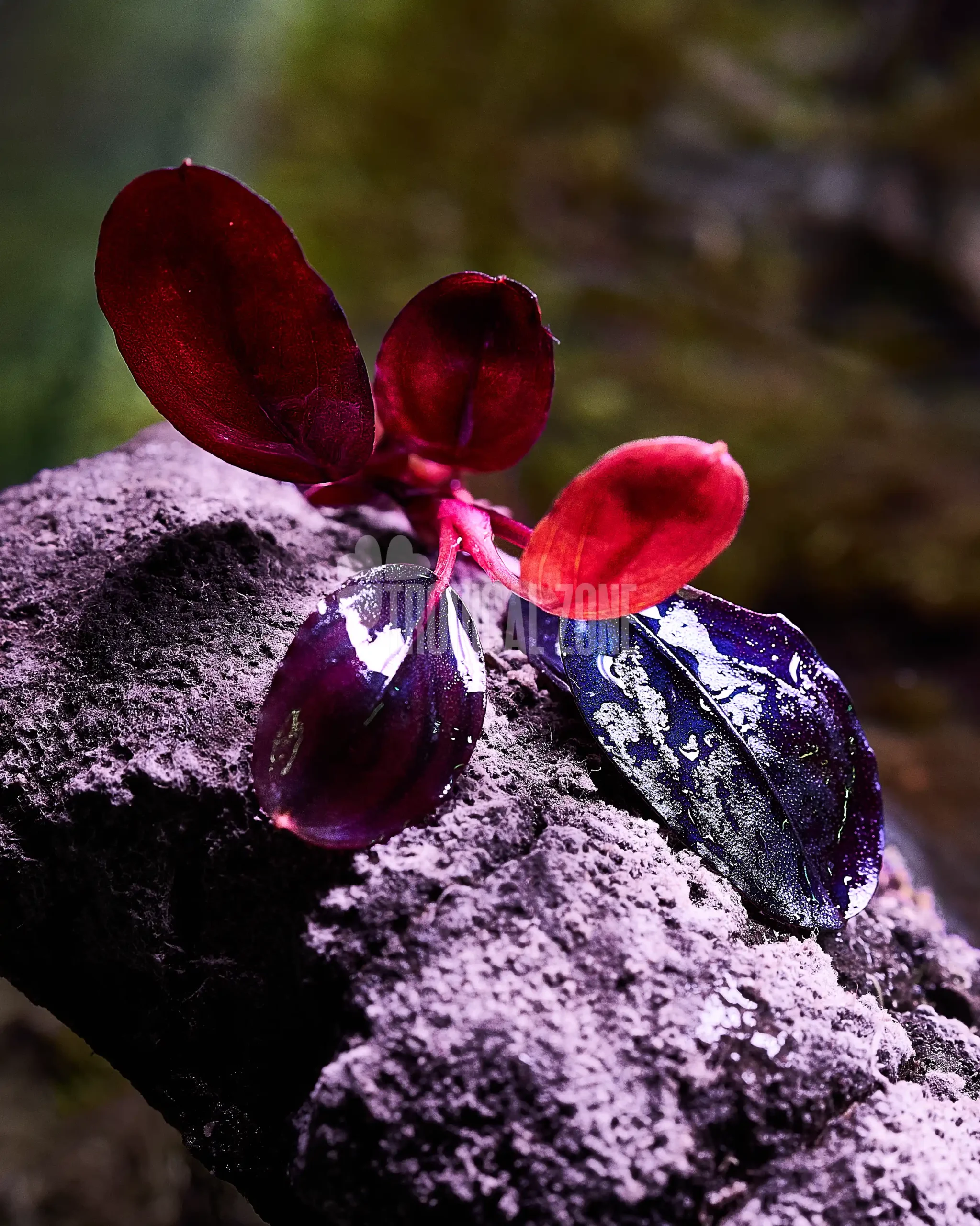
If you’ve spent any time scrolling through Indian aquascaping communities on Instagram, Reddit, or YouTube in the last couple of years, you’ve almost certainly seen it — a compact, jewel-toned plant with iridescent leaves clinging to driftwood or stone, glowing under a beam of aquarium light. That’s Bucephalandra, affectionately called Buce by hobbyists across the world, and it is quietly taking over planted tanks across India at a pace no one quite anticipated.
What started as a niche collector’s obsession — the kind of thing whispered about in obscure planted tank forums — has rapidly matured into mainstream demand. Google searches for “buy Bucephalandra online India” have been climbing steeply. Aquascaping groups are flooded with Buce showcases. And specialty stores like TropicalZone.in are stocking over 15 varieties, shipping healthy, emersed-grown specimens pan-India via Bluedart.
But why now? What is it about this slow-growing, rhizome-rooted plant from the jungles of Borneo that has captured the imagination of Indian aquarists so completely? In this blog, we break it all down — the science, the aesthetics, the care, the varieties available in India today, and why Bucephalandra might just be the best aquarium plant decision you’ll ever make.
1. What Is Bucephalandra? A Quick Introduction
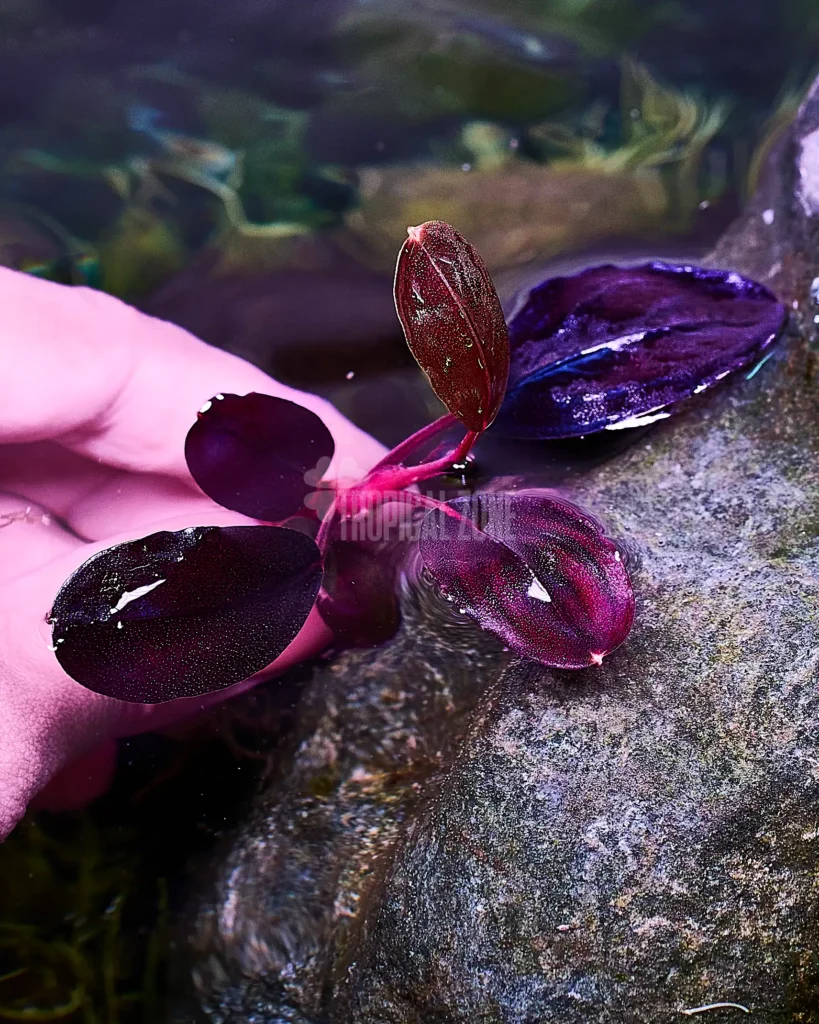
Bucephalandra (pronounced boo-sef-ah-LAN-dra) is a genus of aquatic plants in the family Araceae — the same family as Anubias and Cryptocoryne, two plants that many Indian hobbyists already know and love. Native to the island of Borneo, Indonesia and Malaysia, Bucephalandra grows naturally along fast-flowing rivers and streams, where it clings to rocks and submerged wood using its rhizome, often half-submerged or fully underwater.
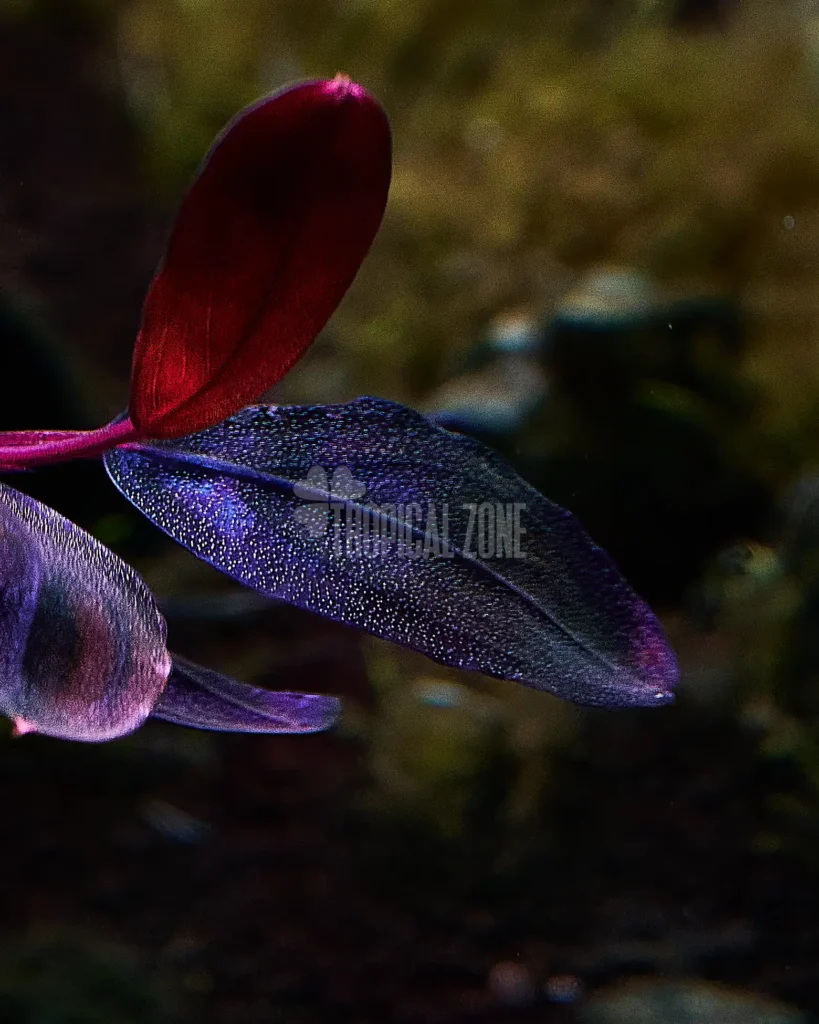
The genus was scientifically described relatively recently in the 1800s, but the explosion of named horticultural varieties in the aquarium trade is a 21st-century phenomenon. Today, hundreds of named cultivars exist, ranging from tiny micro-leaf forms to large, dramatically patterned specimens with leaves displaying iridescent blue, teal, silver, and deep purple hues under aquarium lighting — a feature unique to Bucephalandra and virtually unmatched in the planted tank hobby.
Unlike many aquarium plants, Bucephalandra attaches to hardscape (driftwood, rocks, stone) rather than being planted in substrate. It grows via a rhizome — a horizontal stem that must never be buried — from which roots, leaves, and occasionally stunning white spathe flowers emerge. Yes, Bucephalandra can bloom underwater, a sight that has made more than one hobbyist fall completely in love with the plant.
2. Why Is Bucephalandra Exploding in Popularity in India?
India’s planted aquarium hobby has been growing steadily for over a decade, but the last three to four years have seen a dramatic shift. The rise of aquascaping content on social media, the arrival of reliable online plant stores shipping nationwide, and a growing community of serious hobbyists have all contributed. Into this environment, Bucephalandra arrived at exactly the right moment.
The Collector’s Appeal
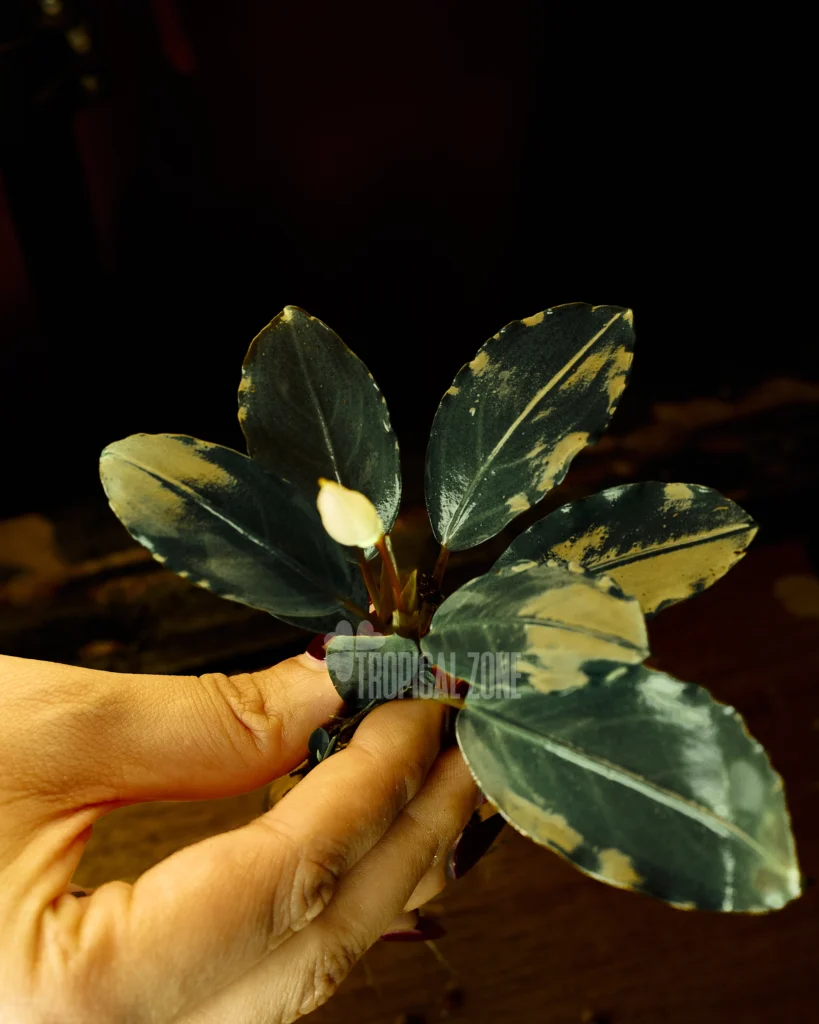
Indians have always loved collecting — whether stamps, coins, or cricket memorabilia. Bucephalandra plugs into this instinct with remarkable precision. Each variety has a distinct personality: different leaf shape, size, colour, and texture. The Bucephalandra Marble Variegated has striking cream-and-green patterned leaves. The Deep Purple variety glows with an almost metallic purple sheen. Pearl Grey offers a rare silvery-grey iridescence that you won’t find in any other aquarium plant genus. Collectors want them all — and that desire drives a passionate, growing community.
2. Why Is Bucephalandra Exploding in Popularity in India?
India’s planted aquarium hobby has been growing steadily for over a decade, but the last three to four years have seen a dramatic shift. The rise of aquascaping content on social media, the arrival of reliable online plant stores shipping nationwide, and a growing community of serious hobbyists have all contributed. Into this environment, Bucephalandra arrived at exactly the right moment.
The Collector’s Appeal
Indians have always loved collecting — whether stamps, coins, or cricket memorabilia. Bucephalandra plugs into this instinct with remarkable precision. Each variety has a distinct personality: different leaf shape, size, colour, and texture. The Bucephalandra Marble Variegated has striking cream-and-green patterned leaves. The Deep Purple variety glows with an almost metallic purple sheen. Pearl Grey offers a rare silvery-grey iridescence that you won’t find in any other aquarium plant genus. Collectors want them all — and that desire drives a passionate, growing community.
Social Media’s Role
Indian aquascapers sharing their planted tanks on Instagram and YouTube have dramatically raised awareness of rare plants. A single post featuring a Buce-covered driftwood piece can drive hundreds of searches and inquiries. Stores like TropicalZone even notify customers via WhatsApp when rare varieties arrive in stock — a model that creates real excitement and community around each new drop.
Reliable Online Availability
For years, Bucephalandra was genuinely hard to source in India. Local fish stores carried little variety, and what they did stock was often of dubious quality. The rise of specialist online aquarium plant stores that maintain direct relationships with growers has changed everything. Today, you can have a healthy, emersed-grown Bucephalandra Godzilla or Silver Grey delivered to your doorstep in Mumbai, Delhi, Bangalore, or Chennai within days.
“The Bucephalandra! It’s super healthy, vibrant, and has become one of the most beautiful highlights of my setup. It’s even started flowering with a beautiful white bloom.” — Rishi Bajpai, Gurugram (verified TropicalZone customer)
3. The Low-Tech Advantage: Perfect for Indian Hobbyists
One of the most powerful reasons Bucephalandra is winning over Indian aquarists is something remarkably practical: it thrives in low-tech setups. No CO₂ injection required. No complex fertiliser regimes. No high-intensity lighting. This is huge for a country where many hobbyists are beginners or intermediate-level enthusiasts who want beautiful tanks without the complexity and expense of a high-tech system.
Consider the typical challenges faced by Indian aquarists. Power cuts are a reality in many parts of the country. Summers in Mumbai, Delhi, or Chennai push tank temperatures into ranges that stress many delicate plants. The cost of CO₂ systems and specialist fertilisers can feel prohibitive for hobbyists just starting out. Against this backdrop, a plant that grows slowly, tolerates a wide range of water parameters, survives low light, and requires no injection of additional carbon dioxide is nothing short of a revelation.
Bucephalandra’s slow growth is also an advantage in disguise. While faster-growing stem plants need weekly trimming and propagation management, a Buce clump stays neat and compact for months. You plant it once — tied or glued to a piece of driftwood — and it simply grows, quietly and beautifully, rewarding patience without demanding constant maintenance.
🌡️ BUCEPHALANDRA TOLERATES INDIAN TANK CONDITIONS
Bucephalandra is comfortable in temperatures from 22°C to 30°C, making it naturally suited to Indian tanks that may experience seasonal temperature variation. It adapts well to both soft and moderately hard water — no RO system or pH buffering strictly required for most varieties.
4. Bucephalandra Varieties Available in India — A Complete Guide
TropicalZone.in currently carries India’s largest dedicated Bucephalandra collection, with 15 varieties available for online purchase with pan-India shipping. Here’s a look at what’s in stock and what makes each one special:
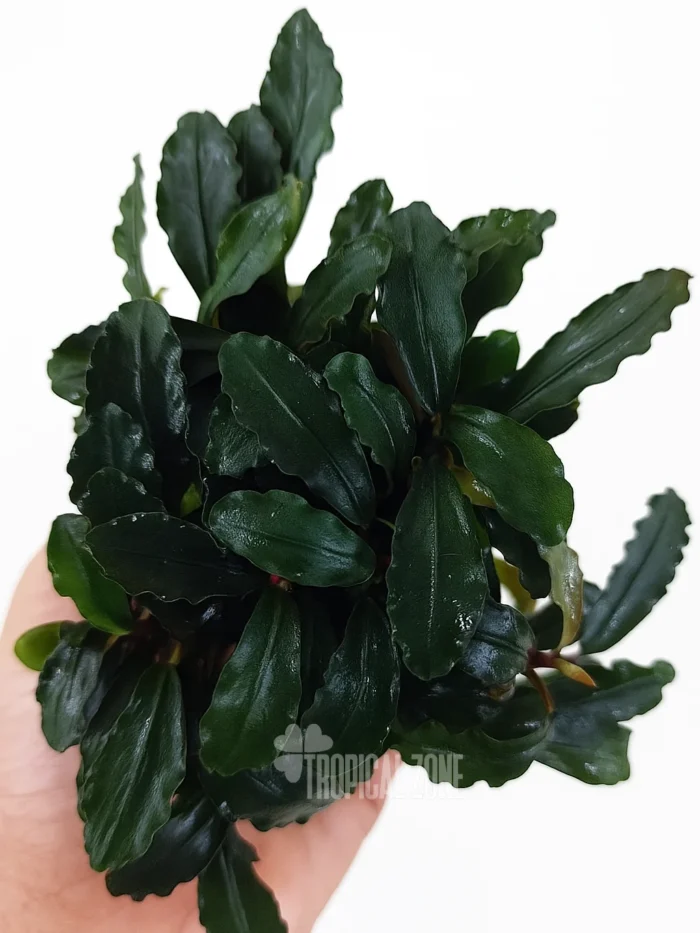
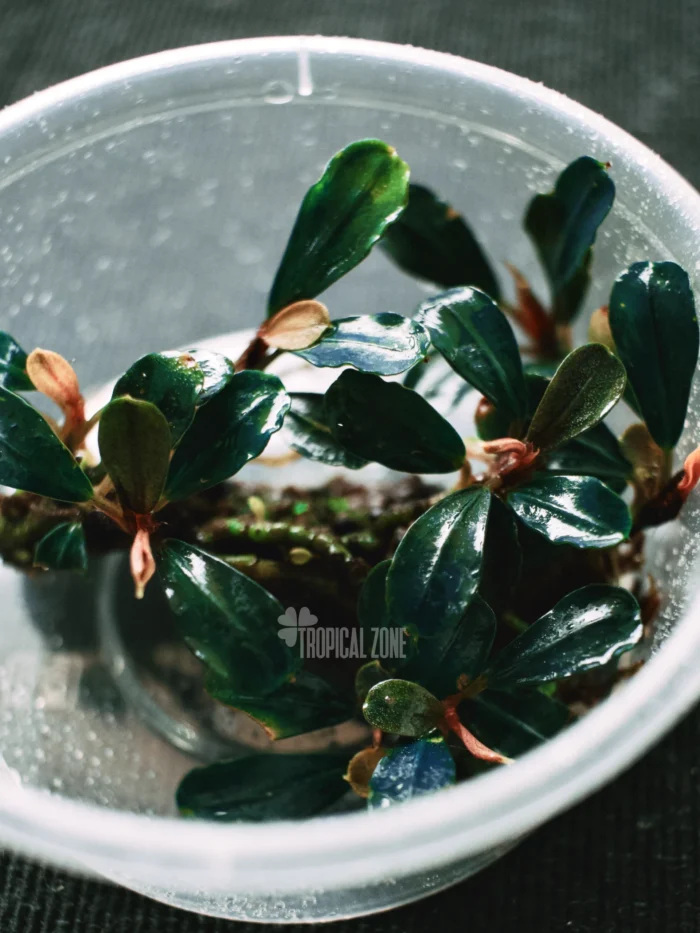
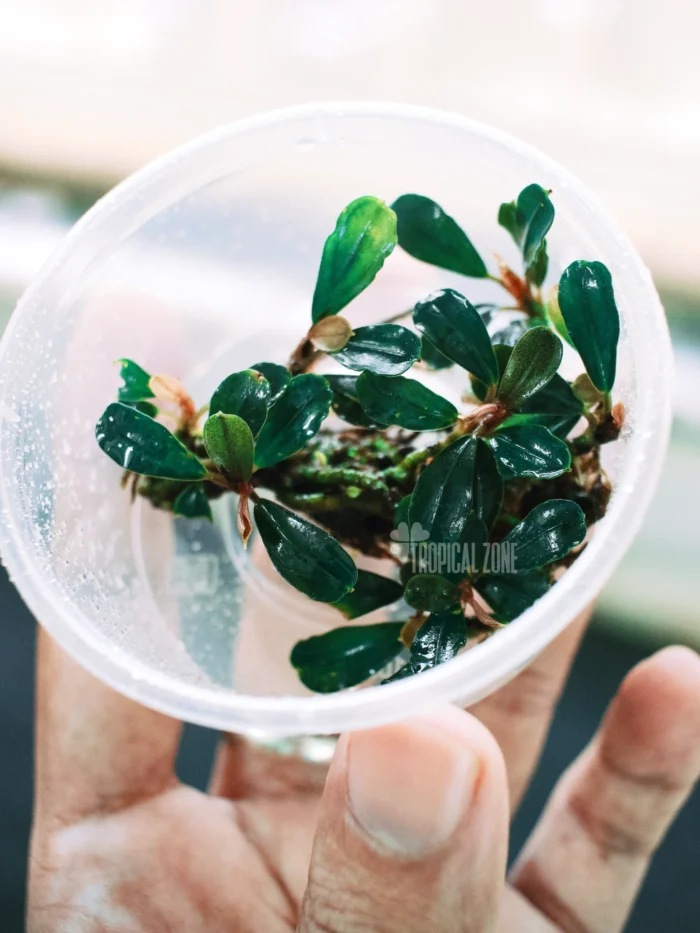
Bucephalandra Kedagang
Price range: ₹399.00 through ₹1,199.00Select options This product has multiple variants. The options may be chosen on the product page
Bucephalandra Deep Purple
Price range: ₹399.00 through ₹1,199.00Select options This product has multiple variants. The options may be chosen on the product page
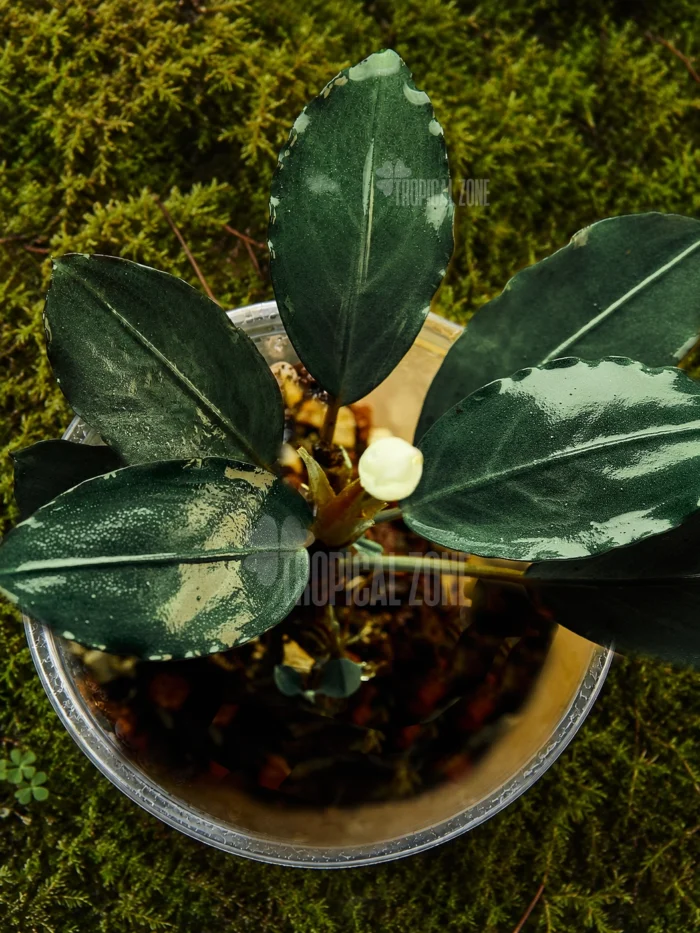
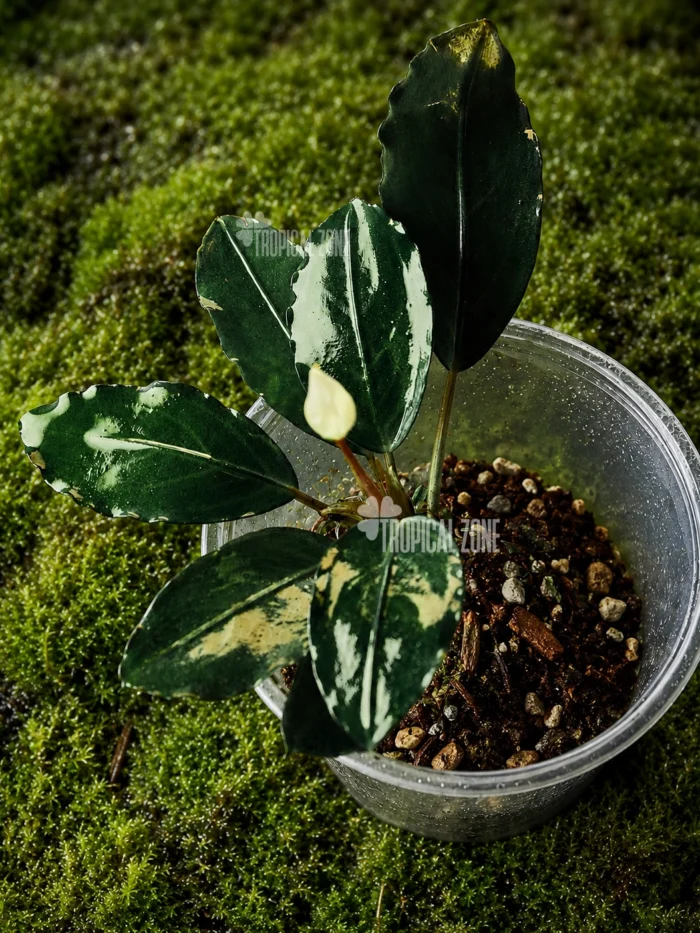
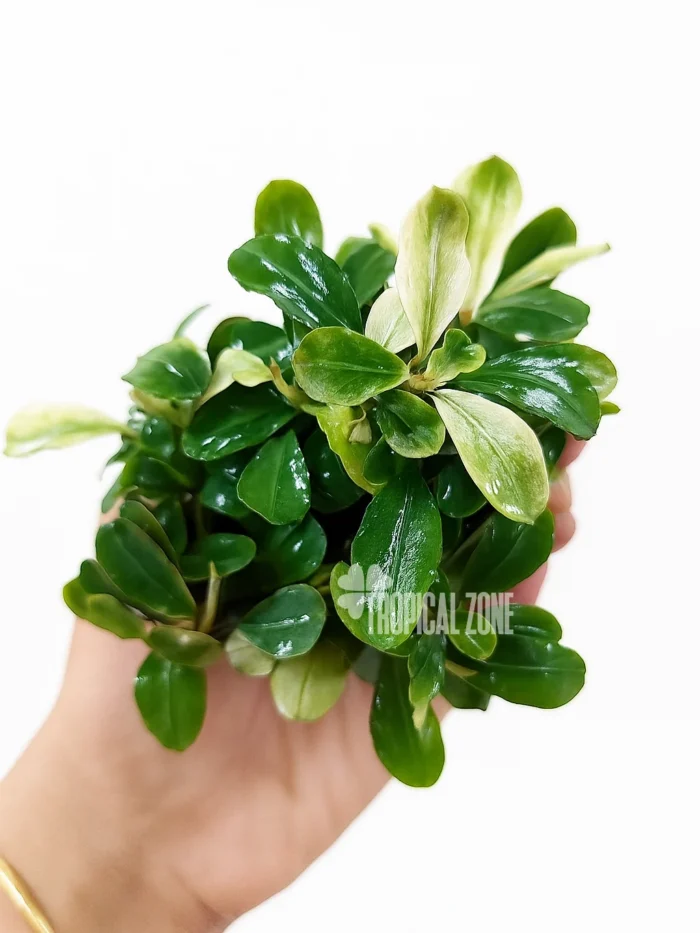
Bucephalandra Marble Variegated
Price range: ₹399.00 through ₹1,249.00Select options This product has multiple variants. The options may be chosen on the product page
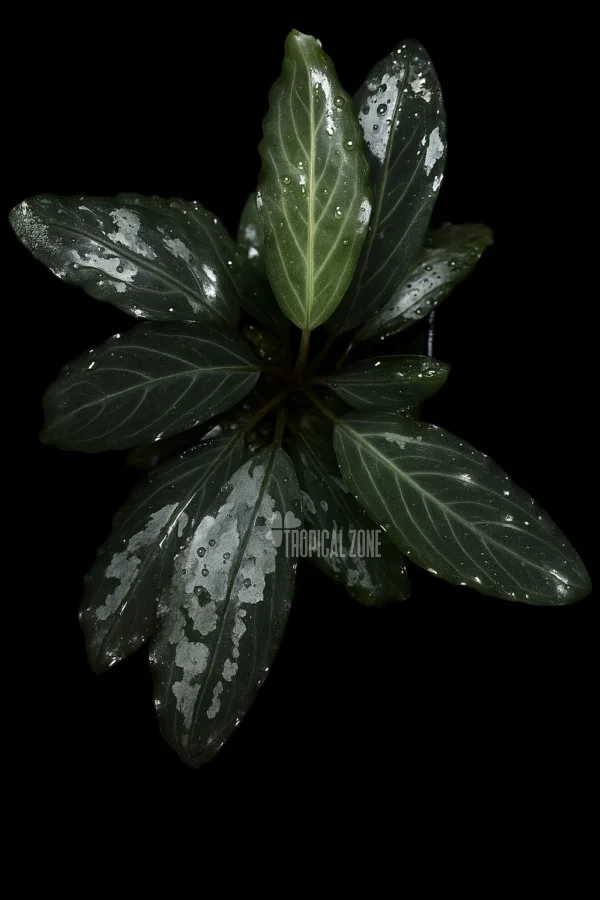
Bucephalandra Pearl Grey
Price range: ₹699.00 through ₹1,499.00Select options This product has multiple variants. The options may be chosen on the product page
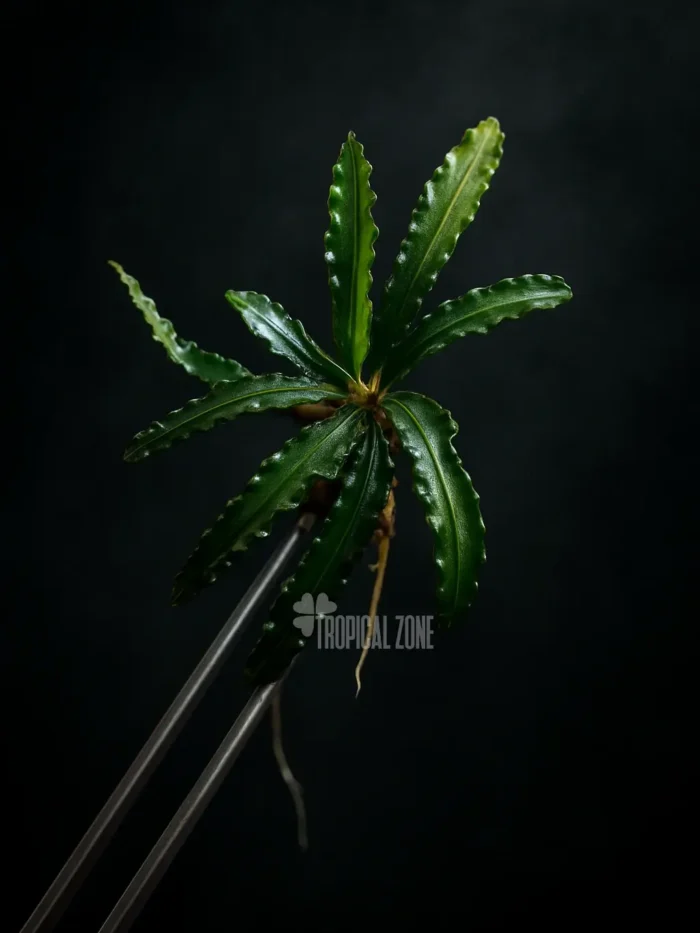
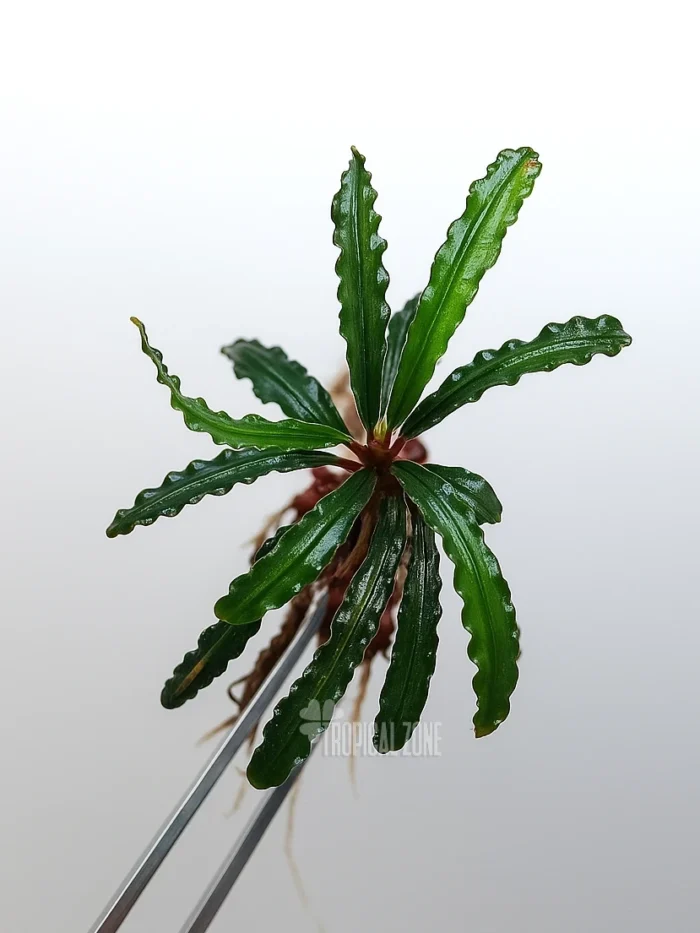
Bucephalandra Velvet
Price range: ₹399.00 through ₹1,199.00Select options This product has multiple variants. The options may be chosen on the product page
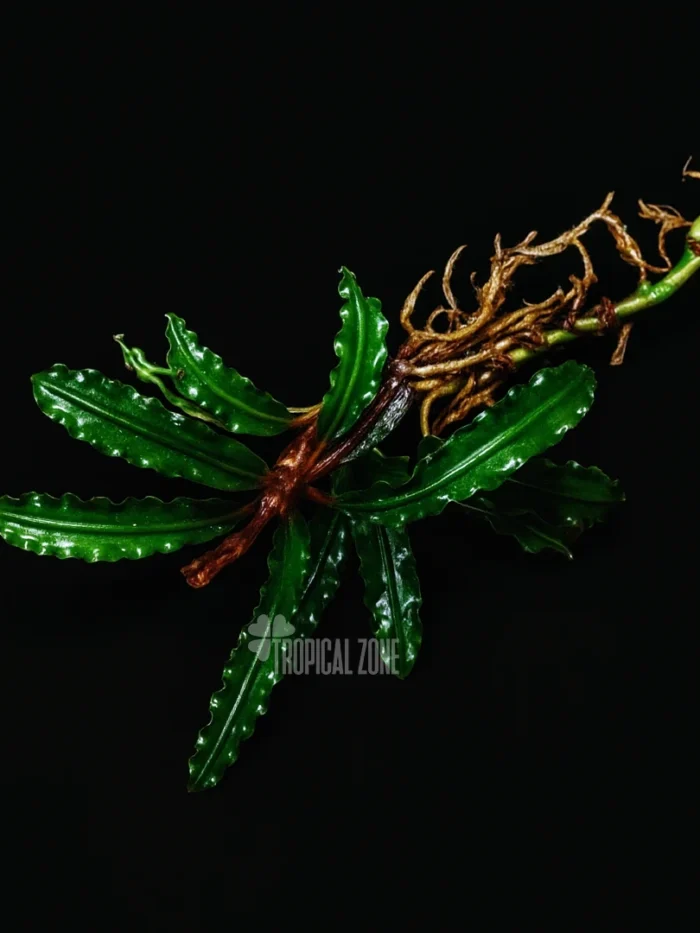
Bucephalandra Catherine Mini
Price range: ₹299.00 through ₹1,199.00Select options This product has multiple variants. The options may be chosen on the product page
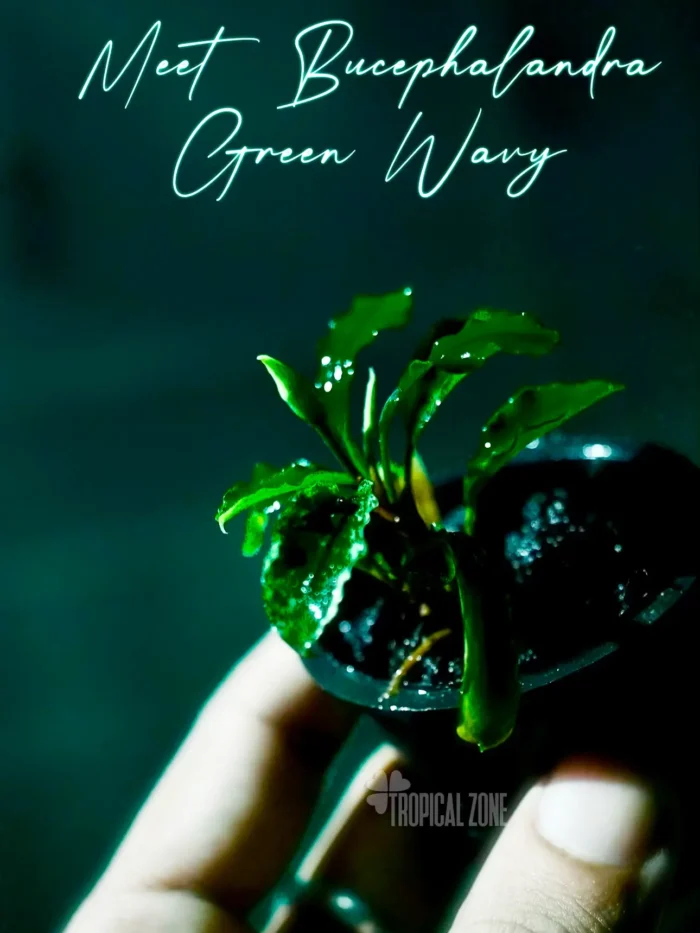
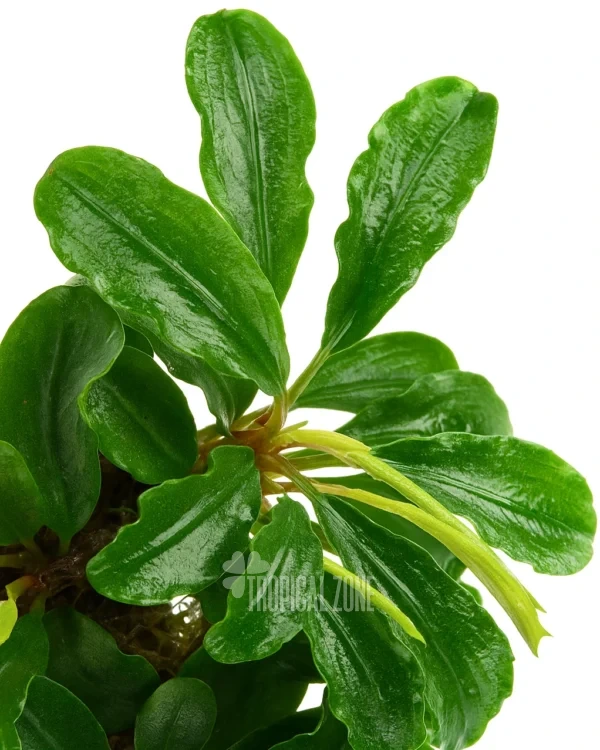
Bucephalandra Green Wavy
Price range: ₹399.00 through ₹1,199.00Select options This product has multiple variants. The options may be chosen on the product page
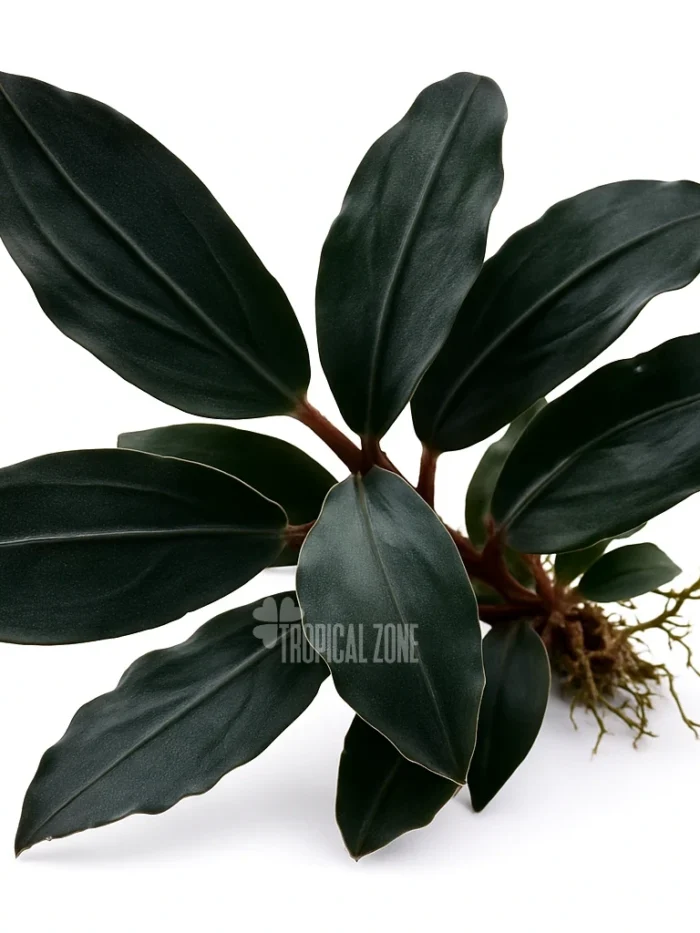
Bucephalandra Dark Emerald
Original price was: ₹699.00.₹499.00Current price is: ₹499.00.Add to cart

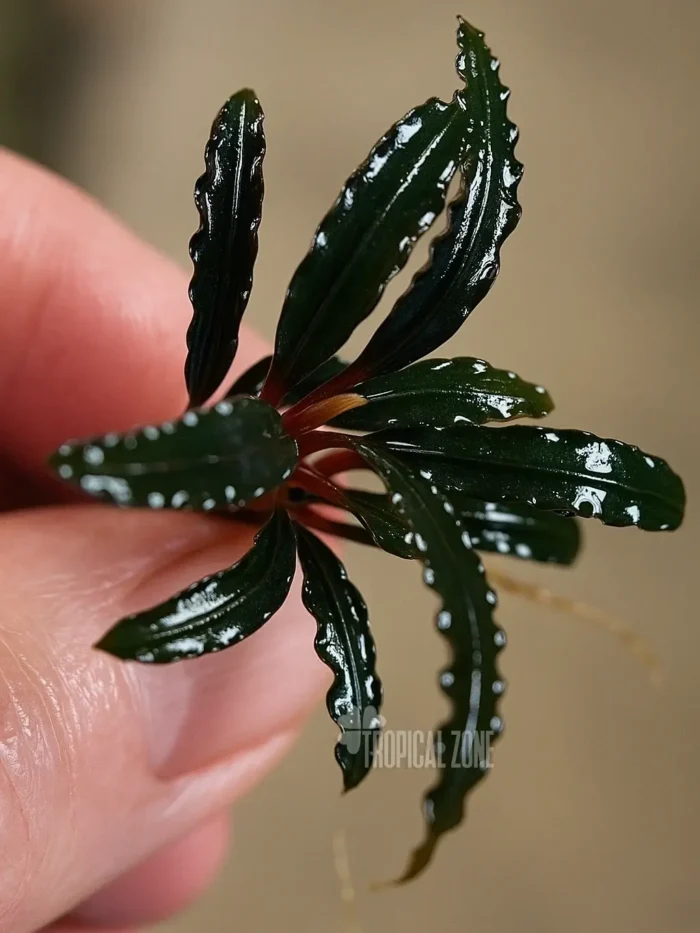
Bucephalandra Dark Catherine
Price range: ₹449.00 through ₹1,299.00Select options This product has multiple variants. The options may be chosen on the product page


Bucephalandra Pygmy
Price range: ₹199.00 through ₹999.00Select options This product has multiple variants. The options may be chosen on the product page

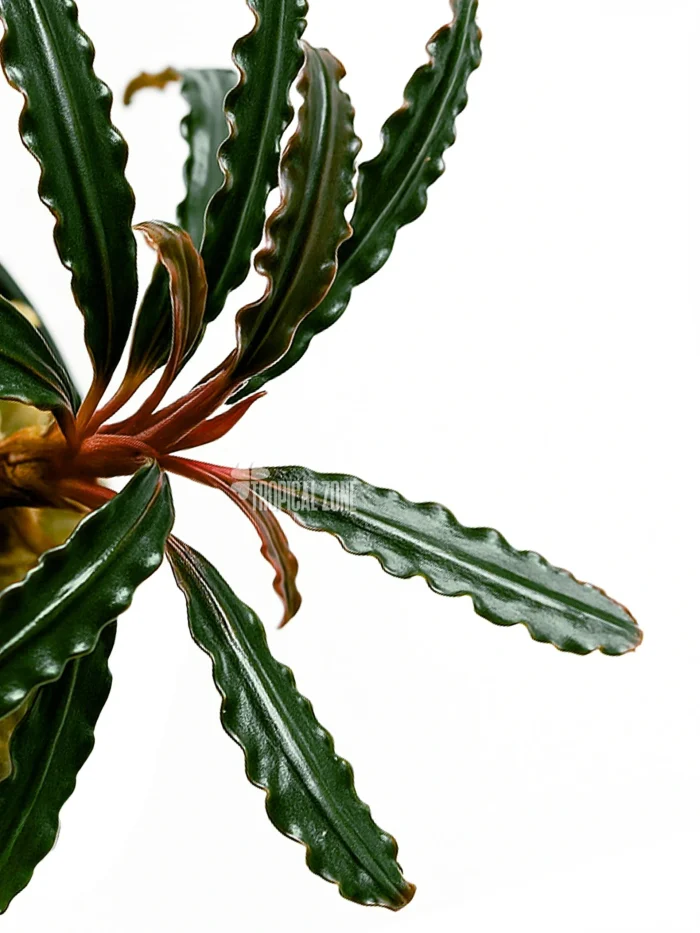
Bucephalandra Catherine
Price range: ₹299.00 through ₹1,199.00Select options This product has multiple variants. The options may be chosen on the product page


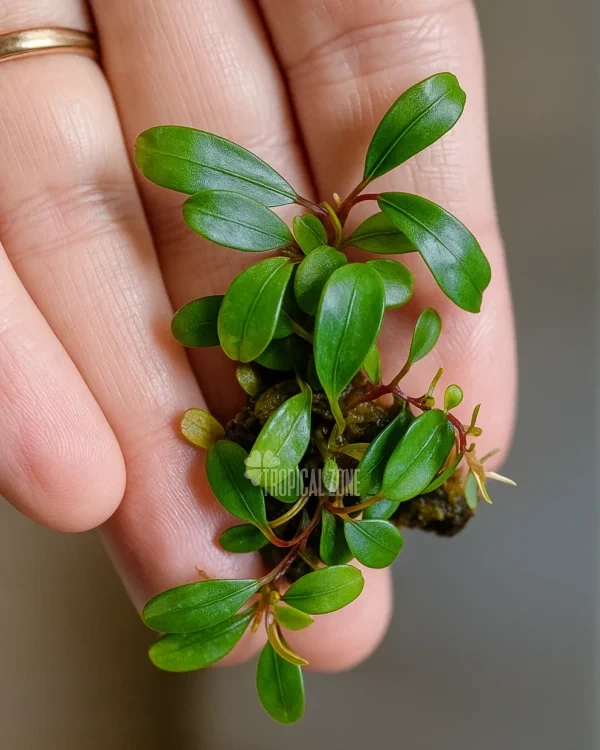
Bucephalandra Melawi
Price range: ₹299.00 through ₹1,199.00Select options This product has multiple variants. The options may be chosen on the product page
Beginner-Friendly Picks
Bucephalandra Pygmy (from ₹199) is an excellent entry point. Its small, oval leaves are low-maintenance, adapt quickly from emersed to submerged growth, and create a dense, textured appearance on driftwood. Pair it with some moss and a small piece of stone and you have an effortlessly natural-looking composition.
Bucephalandra Catherine Mini (from ₹299) is TropicalZone’s top-selling variety, and it’s easy to see why. The compact leaf form, excellent adaptability, and slightly blue iridescence under proper lighting make it a crowd-pleaser that works in nano tanks and large aquascapes alike.
Bucephalandra Melawi (from ₹299) features elongated leaves with fine, almost serrated edges that create beautiful movement in flowing water. A consistently popular variety that transitions smoothly from emersed to submerged growth.
The Collector’s Corner
Bucephalandra Pearl Grey (from ₹699) is perhaps the most visually striking variety currently available in India. The leaves display a remarkable silver-grey iridescence — almost pearlescent — that shifts under light in a way that photographs barely capture. This is the variety that stops people mid-scroll. A must-have for serious collectors.
Bucephalandra Silver Grey (from ₹1,299) is among the rarest and most premium varieties available in India. Its distinctly silvery foliage with subtle grey tones creates an otherworldly visual effect in a planted tank. For those building a truly show-stopping aquascape, this is a centrepiece plant.
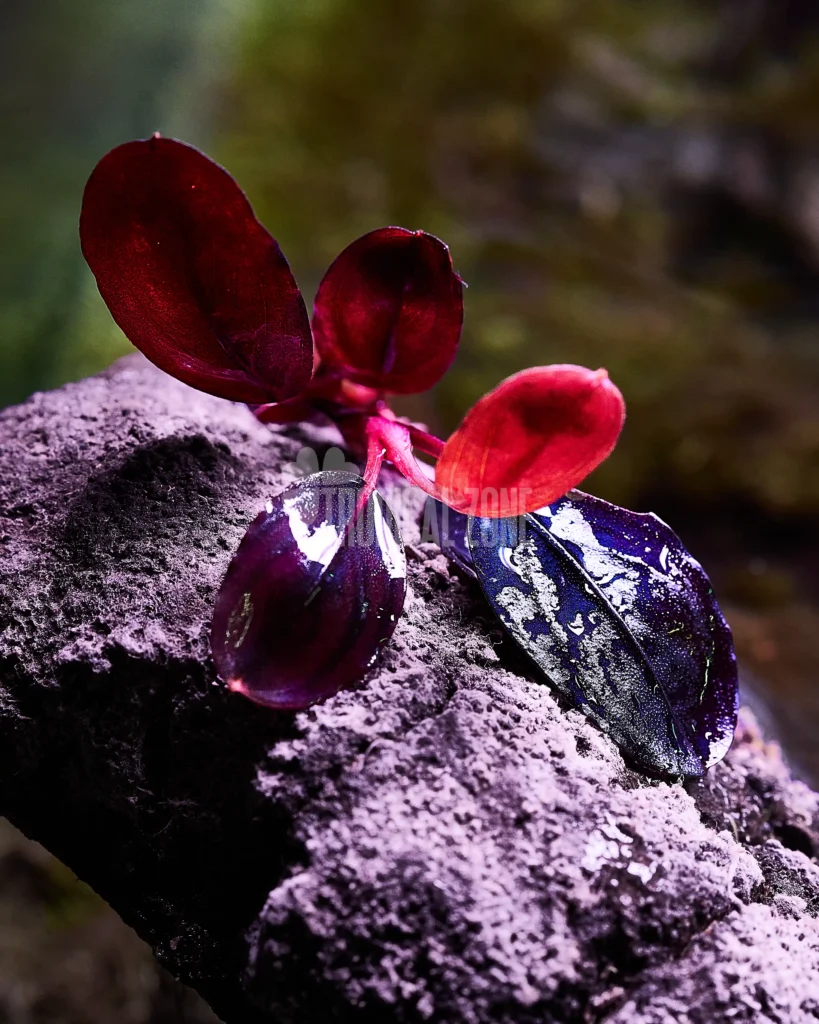
Bucephalandra Deep Purple (from ₹399) offers intensely pigmented leaves that take on a rich, dark purple-green appearance, especially under warmer spectrum lighting. It creates dramatic contrast against lighter green plants and moss.
Bucephalandra Marble Variegated (from ₹399) features genuinely rare variegated patterning — irregular cream, white, and pale green splashes on a darker green leaf. No two leaves are identical, which gives the plant a dynamic, living-artwork quality that collectors prize.
Bucephalandra Green Melon (from ₹1,299) is one of the newest additions to the TropicalZone catalogue and already generating buzz. Its fresh, bright green leaves with subtle patterning bring an unusual freshness compared to the darker-toned varieties — a perfect contrast plant in a mixed Buce display.
5. Bucephalandra Care Guide: What You Need to Know
Despite its exotic appearance and premium price tag, Bucephalandra is genuinely beginner-friendly once you understand its basic needs. The key is respecting its growth habit — slow, deliberate, and rhizome-anchored — and giving it time to transition and adapt.
| Parameter | Ideal Range | Notes |
|---|---|---|
| 💡 Lighting | Low to Medium | Direct intense light can cause algae on leaves. Indirect or diffused lighting is ideal. |
| 🌡️ Temperature | 22°C – 30°C | Adapts well to typical Indian indoor temperatures year-round. |
| 💧 Water pH | 6.0 – 7.5 | Tolerant of a wide range; softer, slightly acidic water enhances iridescence. |
| 🌊 Water Hardness | 0 – 15 dGH | Adaptable. Not as sensitive to hardness as Caridina shrimp. |
| 💨 CO₂ | Not required | Benefits from CO₂ in high-tech tanks but thrives without it in low-tech setups. |
| 🧪 Fertiliser | Light dosing | Liquid fertiliser once or twice a week is beneficial; not essential. |
| 🪵 Substrate / Placement | Hardscape attachment | Tie to driftwood or rock with thread, or use aquarium-safe super glue. |
| ⏱️ Growth Rate | Slow | 1–2 new leaves per month is normal. Patience is rewarded with longevity. |
The Transition Period
When you receive your Bucephalandra from TropicalZone, it is shipped as an emersed-grown plant— meaning it has been growing partially in air, as it would in its natural Bornean riverbank habitat. When you introduce it to your fully submerged aquarium, expect a transition period of 2–4 weekswhere the plant may drop some older leaves. This is completely normal and not a sign of poor health. Once the Buce establishes new submerged growth, it will settle in and begin producing its characteristic iridescent leaves.
Rhizome Rule — Non-Negotiable
The single most important care rule: never bury the rhizome in substrate. The rhizome (the horizontal stem from which roots and leaves emerge) must be attached to hardscape and remain exposed to water flow. Burying it leads to rot and plant death. Use dark-coloured cotton thread to tie the plant to driftwood, or a small drop of cyanoacrylate (super) glue applied to the base before pressing it onto a rock.
6. Using Bucephalandra in Your Aquascape
One of Bucephalandra’s great design strengths is its versatility. It works as a foreground or midground accent plant in larger aquascapes, a single-species specimen piece in nano tanks, or part of a rich, textured multi-variety Buce display on a central piece of driftwood. The iridescent shimmer of Buce leaves is especially dramatic in Nature Aquarium-style layouts, where light rakes across the hardscape and catches the metallic tones on the leaves.
Buce on Driftwood — The Classic Technique
Attaching multiple Bucephalandra varieties to a single piece of spiderwood or cholla wood creates a breathtaking focal point. Use contrasting varieties for maximum visual impact — pair the dark, velvety leaves of Bucephalandra Velvet with the bright, wavy margins of Bucephalandra Green Wavy, or set the silvery shimmer of Pearl Grey against the dark intensity of Deep Purple.
Nano Tank Specialists
For small tanks (under 30 litres), micro-leaf varieties like Catherine Mini and Pygmy are ideal. Their compact size maintains visual balance in tight compositions, and their low light requirements suit the smaller, lower-powered lighting units common in nano setups.
Companion Plants
Bucephalandra pairs beautifully with aquatic mosses like Fissidens or Singapore Moss on adjacent hardscape — the fine texture of moss creates a lush green backdrop that makes Buce leaves pop. Java Ferns and Anubias share the same attachment-based growth habit and low-light tolerance, making them ideal co-inhabitants of a hardscape-focused composition.
7. Why Bucephalandra Is a Shrimp-Keeper’s Dream
If you keep freshwater shrimp — whether beginner-friendly Cherry Shrimp, vibrant Bloody Mary Shrimp, or sensitive Caridina species — Bucephalandra is arguably the single best plant you can add to your tank.
Here’s why. First, Buce leaves develop a natural biofilm as they age — a thin, living layer of microorganisms that shrimp absolutely love to graze on. You’ll often see shrimp walking across Buce leaves, methodically cleaning every surface. This isn’t just charming to watch; it’s genuinely nutritious behaviour that supports shrimp health and breeding activity.
Second, and critically: all plants stocked by TropicalZone are grown without pesticides or copper-based treatments. This is non-negotiable for shrimp safety — copper is lethal to shrimp even in trace amounts, and many imported plants carry residues that can wipe out an entire colony. TropicalZone ships plants clean and pesticide-free, safe for the most sensitive Caridina and Neocaridina tanks.
Third, Bucephalandra’s dense rhizome structure and leaf canopy provide excellent hiding spots for baby shrimp (shrimplets), giving them refuge from larger tank inhabitants and improving juvenile survival rates in community tanks.
Pro Tip for Shrimp Keepers: Let your Bucephalandra establish for 3–4 weeks before adding shrimp. By then, the leaves will have developed a biofilm that becomes a ready food source — and you’ll witness the delightful sight of shrimp grazing across every leaf surface.
8. Where to Buy Bucephalandra Online in India
Finding quality Bucephalandra in India used to be a genuine challenge. Local aquarium stores stocked little variety, plants were often unhealthy or mislabelled, and there was no guarantee of what you were actually receiving. The situation today is dramatically better — but not all online sources are equal.
When buying Bucephalandra online in India, look for these key indicators of quality:
1. Emersed or Tissue Culture Stock: Emersed-grown plants are typically healthier than submersed specimens for shipping, as they tolerate the transit environment better. Tissue culture plants are pest-free but require careful transition. TropicalZone ships emersed-grown Bucephalandra specifically because it survives India’s sometimes challenging shipping conditions better.
2. Packaging Tested for Indian Summers: India’s climate is unforgiving. Plants shipped in poorly designed packaging arrive wilted, overheated, or desiccated. TropicalZone has refined their packaging methodology over 10,000+ Bluedart shipments, using moisture-retaining, breathable materials tested across all seasons.
3. Pesticide-Free Guarantee: Essential if you keep shrimp. Confirm this explicitly with any seller before purchasing.
4. Human Customer Support: Planted tank questions are often nuanced. “Will this Buce work in my low-tech 20-litre tank with Neocaridina?” is not a question an FAQ page can answer well. TropicalZone offers direct WhatsApp support with team members who actively keep planted tanks themselves — a level of expertise that makes a real difference, especially for new hobbyists.
❓ Frequently Asked Questions About Bucephalandra
Is Bucephalandra suitable for beginners in India?
Absolutely. Bucephalandra is one of the most beginner-friendly aquarium plants available, provided you follow two fundamental rules: never bury the rhizome in substrate, and give it time to transition from emersed to submerged growth. It requires no CO₂ injection, tolerates a wide range of water parameters, and adapts well to Indian tank temperatures. Varieties like Pygmy and Catherine Mini are especially forgiving starting points.
Why are my Bucephalandra leaves melting after I added it to my tank?
This is completely normal and is called “emersed-to-submersed transition melt.” Plants grown above water (emersed) have adapted their leaf structure to air; when fully submerged, the old leaves are replaced by new ones suited to underwater life. Expect 2–4 weeks of leaf drop. As long as the rhizome remains firm and green, your plant is healthy and recovering. Do not remove the rhizome from the tank during this period — new leaves will emerge once transition is complete.
Can Bucephalandra grow in a tank without CO₂ injection?
Yes. This is one of Bucephalandra’s greatest strengths. It is a genuinely low-tech plant that grows (slowly but steadily) in tanks with no additional CO₂. While CO₂ injection will accelerate growth and may intensify leaf colouration in some varieties, it is not required. Many of India’s most beautiful Buce tanks run entirely without CO₂, relying only on good lighting and occasional liquid fertiliser.
Is Bucephalandra safe for shrimp tanks?
Yes — and it’s actually one of the best plants you can add to a shrimp tank. Bucephalandra leaves develop a natural biofilm that shrimp actively graze on, supporting their nutrition and encouraging natural foraging behaviour. The rhizome structure also provides hiding spaces for baby shrimp. Ensure you source your Bucephalandra from a pesticide-free supplier like TropicalZone, as copper-based treatments used by some growers are lethal to shrimp.
How do I attach Bucephalandra to driftwood or rocks?
Two methods work well. The first is using dark-coloured cotton thread or fishing line — tie the plant gently but firmly to the hardscape, ensuring the rhizome is in contact with the surface but not buried. Over a few weeks, the roots will naturally grip the wood and the thread can be removed or left to biodegrade. The second method is aquarium-safe cyanoacrylate (super) glue — apply a small drop to the base of the rhizome, press it firmly onto the rock or driftwood, and hold for 20–30 seconds before submerging. Both methods are equally effective.
How long does Bucephalandra take to show new growth?
After the initial transition period (2–4 weeks for emersed plants), expect 1–2 new leaves per month in a low-tech setup. In a CO₂-injected, well-fertilised tank, growth can be faster — 3–4 leaves per month is achievable. Bucephalandra is a slow-growing plant by nature; this is not a flaw but a feature, as it means less maintenance and a stable, long-lasting aquascape composition.
Which Bucephalandra variety is best for a nano tank under 20 litres?
For nano tanks, choose smaller-leaf varieties that maintain visual proportion in tight spaces. Bucephalandra Pygmy is the smallest available and works beautifully in tanks as small as 5 litres. Catherine Mini is another excellent choice. Avoid large-leaf varieties like Godzilla in nano setups — they’re better suited to tanks of 30 litres and above where their imposing leaf size can be appreciated.
Can Bucephalandra flower underwater in an aquarium?
Yes — and it’s one of the most magical things you’ll see in a planted tank. Bucephalandra produces a small white spathe flower, similar to its Araceae relatives (Anubias and Crypt), when conditions are favourable. Flowering typically occurs in stable, mature tanks with good water quality and consistent parameters. It’s a sign your plant is genuinely thriving. As one TropicalZone customer in Gurugram noted, their Buce “started flowering with a beautiful white bloom” — a highlight of their aquarium experience.
Does TropicalZone ship Bucephalandra across all of India?
Yes. TropicalZone ships pan-India via Bluedart Air, with packaging refined over 10,000+ shipments to ensure plants arrive healthy across all regions and seasons. Free shipping is available on plant orders above ₹799. Same-day delivery is available in Mumbai on enquiry. Customers in Bangalore, Delhi, Gurugram, Chennai, Hyderabad, Pune, and other major cities regularly receive their orders in excellent condition.
What is the most rare Bucephalandra available in India right now?
Among the varieties currently available at TropicalZone, Bucephalandra Silver Grey and Green Melon are among the rarest and most recently introduced. Marble Variegated is also highly sought after for its genuinely unique variegated leaf patterning — no two plants look exactly the same. For early access to rare stock arrivals, joining TropicalZone’s WhatsApp community is the best approach.
Conclusion: The Buce Revolution Is Just Getting Started
Bucephalandra has arrived in India — not as a passing trend, but as a permanent fixture in the planted aquarium hobby. Its combination of extraordinary visual appeal, genuine low-tech adaptability, shrimp-safe credentials, and astonishing variety makes it uniquely suited to the Indian hobbyist landscape. Whether you’re building your first planted nano tank or adding to a serious collector’s Buce display, there has never been a better time to explore this remarkable genus.
The range available through TropicalZone.in — from beginner-accessible Catherine Mini and Pygmy to the premium Silver Grey and Green Melon — means every hobbyist can find their entry point into the world of Buce. And once you start, the gentle addiction of collecting varieties, watching new iridescent leaves unfurl, and one day seeing that unexpected white flower bloom underwater — well, you’ll understand why India can’t get enough of Bucephalandra.
🌿 Shop All Bucephalandra Varieties →
🔗 EXPLORE MORE AT TROPICALZONE
Anubias Collection Aquatic Mosses FreshwateShrimps Aquatic Ferns Cryptocoryne 🔥Current Sale
