
"Grow Curious, Stay Green."

Can Carnivorous Plants Actually Survive Indian Summers? A City-by-City Climate Guide
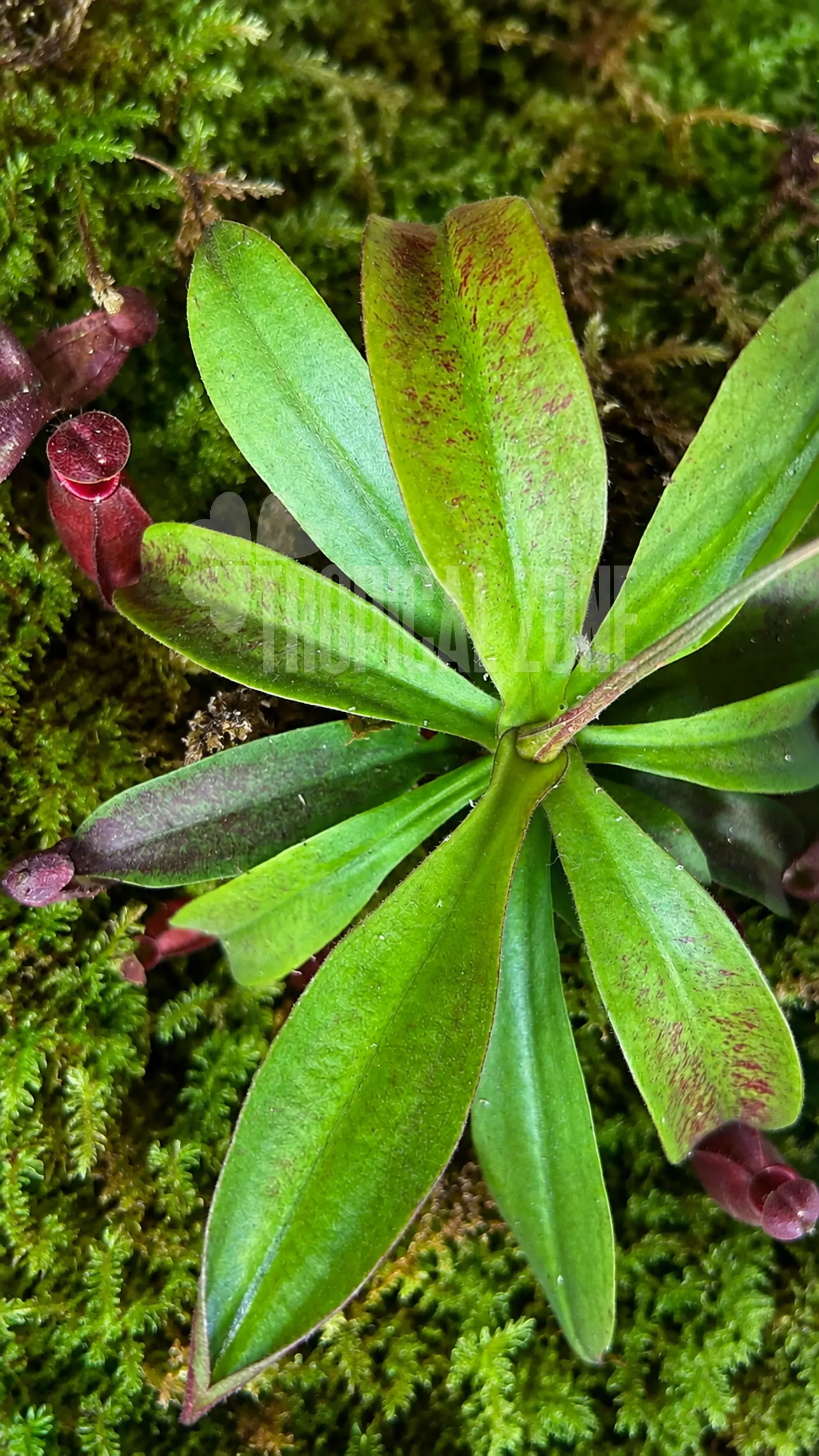
If you’ve ever typed “can Venus flytrap survive in India” into Google at 1 a.m. after falling down a carnivorous plant rabbit hole, you’re not alone. It’s one of the most common questions Indian plant lovers ask and the honest answer is, it depends entirely on which plant, and which Indian city you live in.
Carnivorous plants aren’t one homogenous group, even though they get lumped together under a single “cool factor” label. A Nepenthes from the humid hills of Southeast Asia has completely different needs from a Sarracenia that grows in North American bogs, or a tiny Utricularia that thrives half-submerged in a terrarium. A Drosera from Australia behaves nothing like a Mexican Pinguicula, even though both are commonly called “carnivorous plants” in casual conversation. Understanding these differences is the single biggest factor in whether your plant survives its first Indian summer — or turns into a sad, blackened stem by June.
This guide breaks India’s major climate zones down city by city, explains which carnivorous genera actually cope well here, walks through the most common mistakes growers make, and gives you an honest, non-sales-pitch look at what to expect before you bring one home. Along the way, we’ll also touch on the wider diversity within each genus — because “carnivorous plant” is really an umbrella term for dozens of wildly different growth habits, trap mechanisms, and climate preferences.
As we explore whether Can Carnivorous Plants Actually Survive Indian Summers, it’s crucial to understand the varying needs of these unique plants.
Can Carnivorous Plants Actually Survive Indian Summers?
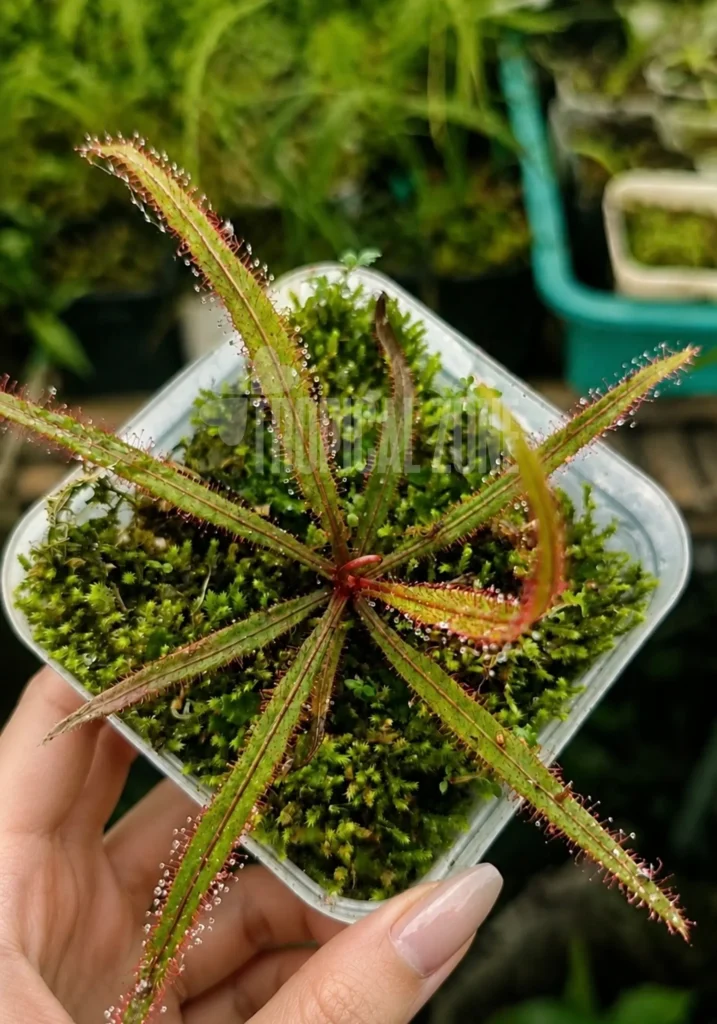
Why Climate Matters More Than Anything Else
Most carnivorous plants evolved in nutrient-poor bogs, swamps, highland cloud forests, or seasonally flooded grasslands meaning their survival strategy was never really about soil richness. It was about humidity, light intensity, water purity, and temperature consistency. Change those four variables and you change the plant’s entire behaviour dormancy triggers, trap color, growth rate, flowering, even whether it survives at all.
Here’s why each factor matters so much:
Humidity determines whether a plant’s traps stay plump and functional or dry out and stop working. Nepenthes pitchers, for example, will simply stop producing new pitchers in very dry air, even if every other condition is perfect.
Light intensity (not just light duration) affects trap coloration. Many Drosera and Sarracenia species only develop their vivid red pigmentation under strong, direct light in low light, they stay green and catch far less prey.
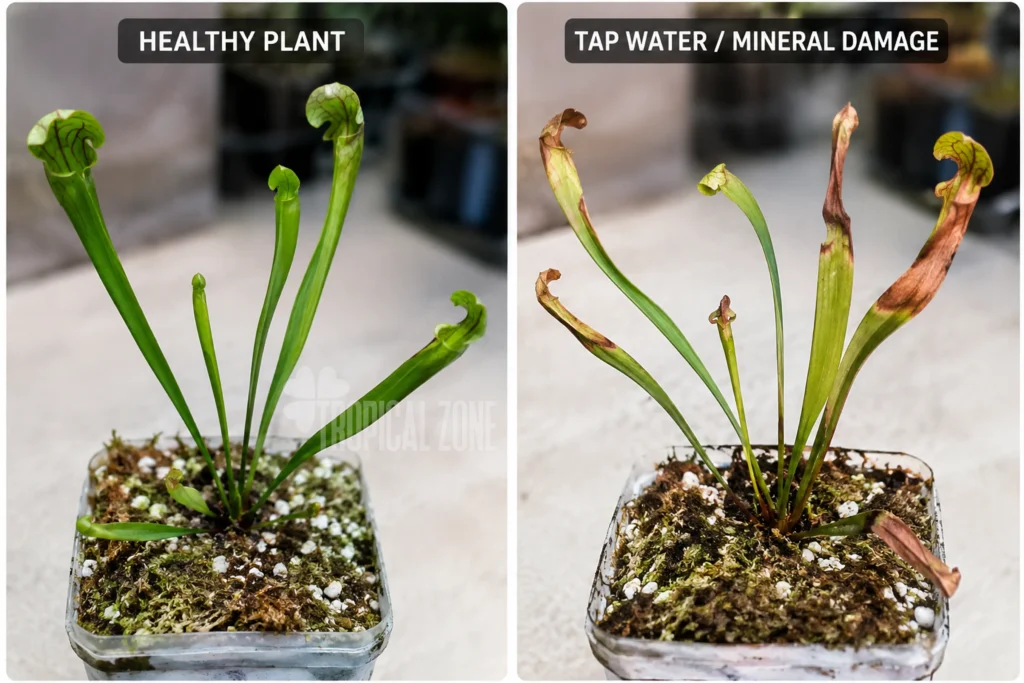
Water purity is arguably the most misunderstood factor among new Indian growers. Because these plants evolved in nutrient-poor bogs, their roots have almost no tolerance for the dissolved salts and minerals found in ordinary tap water. Over time, tap water causes a slow mineral buildup in the soil that browns leaf tips and eventually kills the root system regardless of how much sunlight or care the plant otherwise receives.
Temperature consistency matters more for some genera than others. Sarracenia, for instance, has evolved to expect a genuine seasonal temperature drop as a trigger for dormancy. Without it, the plant can weaken over several growing seasons even if it looks fine in year one.
India’s problem (and opportunity) is that it has almost every climate type carnivorous plants could ask for just not always in the same city, and rarely all four factors aligned at once.
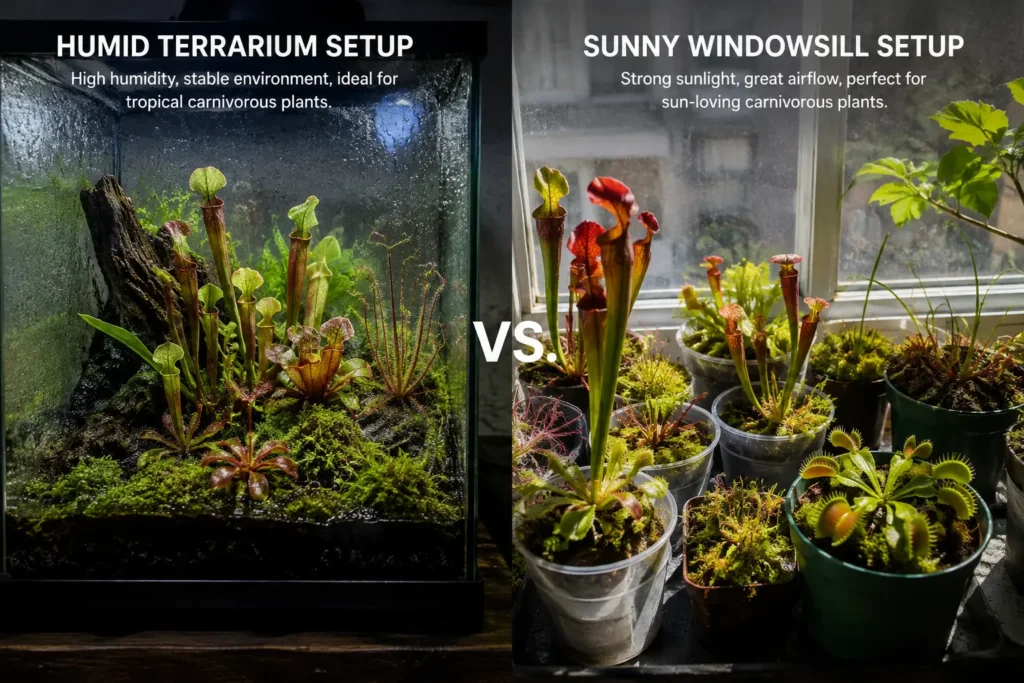
Table 1: Indian Cities vs Carnivorous Plant Suitability
| City | Climate Type | Best Suited Genera | Challenging Genera | Key Local Factor |
|---|---|---|---|---|
| Mumbai | Humid, coastal, mild winters | Nepenthes, Drosera, Utricularia | Sarracenia (no real dormancy) | High ambient humidity year-round is a natural advantage |
| Delhi | Extreme heat + cold, dry | Sarracenia, Pinguicula (Mexican types) | Nepenthes (low humidity in summer) | Genuine winter cold makes dormancy-dependent genera easier |
| Bangalore | Mild year-round, moderate humidity | Almost all genera adapt well | Highland Nepenthes need extra care | Stable, moderate temperatures suit the widest range of species |
| Chennai | Hot, humid, minimal winter | Drosera, Nepenthes lowland types | Sarracenia, Pinguicula (no cold rest) | Consistent heat and humidity favor tropical lowland species |
| Kolkata | Humid, monsoon-heavy | Drosera, Utricularia, Nepenthes | Pinguicula (too much rain/rot risk) | Monsoon humidity swings need careful drainage management |
| Pune | Moderate, drier winters | Pinguicula, Drosera, Sarracenia (with effort) | Highland Nepenthes | Cooler nights in winter help simulate mild dormancy |
A Closer Look at Each City
Mumbai growers have a natural head start with humidity-loving genera. The coastal air rarely drops below comfortable levels for Nepenthes, and Drosera species handle Mumbai’s warm, muggy stretches without complaint. The main challenge is the complete absence of a real winter anything requiring dormancy, like Sarracenia, needs an artificially cooled spot for several weeks each year to stay healthy long-term.
Delhi sits almost at the opposite end of the spectrum. Summers are punishingly hot and dry, which stresses humidity-loving Nepenthes unless grown in a shaded, misted enclosure. But Delhi’s winters genuinely cold by Indian standards are a gift for Sarracenia and cold-tolerant Pinguicula, giving them the dormancy trigger they need without any artificial intervention.
Bangalore is often cited by Indian carnivorous plant growers as the most forgiving city overall. Its moderate year-round temperatures and reasonably stable humidity mean fewer extremes to manage in either direction. Highland Nepenthes varieties, which prefer cooler nights, do noticeably better here than in Mumbai or Chennai.
Chennai growers deal with consistent heat and humidity, which suits tropical lowland Nepenthes and heat-tolerant Drosera well. However, the near-total absence of a cool season makes Sarracenia and most Pinguicula varieties a genuine long-term challenge without artificial cooling.
Kolkata’s monsoon season brings its own complications not from lack of humidity, but from excess. Waterlogging and fungal issues become the bigger risk factor here rather than dryness. Good drainage and airflow matter more in Kolkata than in almost any other Indian city.
Pune benefits from noticeably cooler, drier winters compared to coastal cities, which makes it one of the better inland options for growers wanting to attempt Sarracenia or cold-sensitive Pinguicula without heavy intervention.
Sundews (Drosera): India’s Most Forgiving Carnivorous Plant
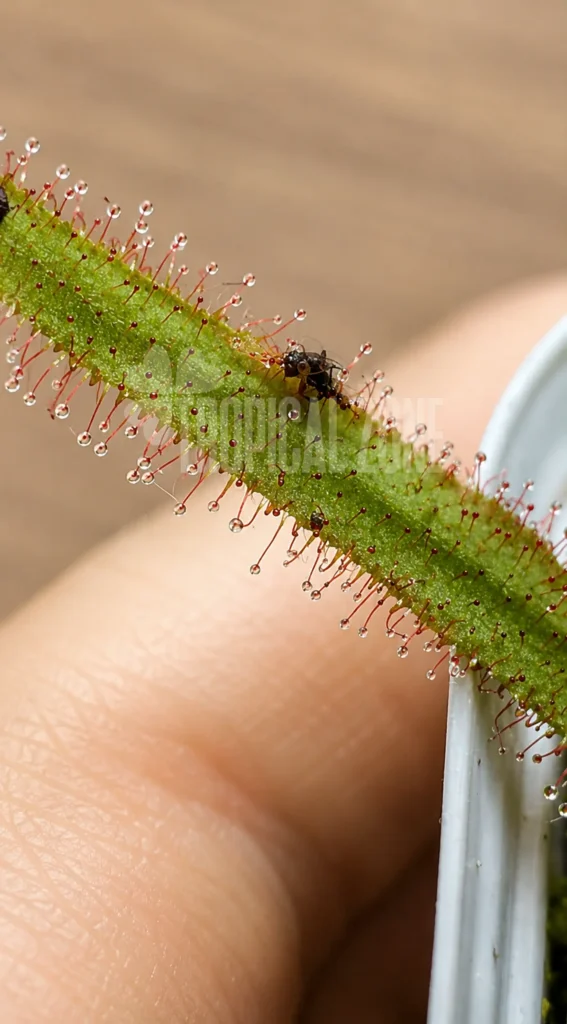
If there’s one genus that adapts to almost any Indian city, it’s Drosera. Their sticky, dew-covered leaves handle heat, humidity swings, and inconsistent light far better than most carnivorous plants which is exactly why enthusiasts often recommend them as a starting point for beginners across every climate zone we’ve discussed.
What makes Drosera such an interesting genus is just how much variation exists within it. Some species form flat, ground-hugging rosettes; others grow tall, upright, and almost shrub-like; a few even branch repeatedly, forming intricate forked leaf structures instead of simple paddles. Varieties worth knowing and soon joining our own collection include:
- Drosera spatulata – a classic rosette-forming sundew, compact and beginner-friendly
- Drosera tokaiensis – a naturally occurring hybrid known for its adaptability across varying light levels
- Drosera binata – the “forked leaf” sundew, with dramatic branching leaves unlike typical rosette types
- Drosera adelae – a rainforest species from Australia that tolerates lower light better than most sundews
- Drosera paradoxa – a striking, less common species with a distinctive growth form
- Drosera burmannii – a fast-growing, highly reactive sundew popular for how quickly its leaves curl around prey
- Drosera beleziana – a lesser-known but hardy tropical species
- Drosera agnata – an Australian species with narrow, elegant leaves
- Drosera eloisiana – a rarer variety valued by collectors for its unique appearance
Each of these carries slightly different leaf shapes, growth habits, and light preferences, but all share that same easygoing resilience that makes Drosera such a great entry point into carnivorous plants in India — regardless of whether you’re in humid Chennai or dry Delhi.
Nepenthes: Best for Humid Cities, Trickier Everywhere Else
Nepenthes (tropical pitcher plants) are the showstoppers of the carnivorous world dramatic, sculptural, and instantly recognisable thanks to their hanging pitcher traps. But they’re also the most climate-picky genus on this list. Lowland types thrive in Mumbai, Chennai, and Kolkata’s humidity, while highland hybrids need cooler nights and struggle in India’s peak summer heat unless given extra shade and misting.
The genus also has enormous variation in pitcher size, colour, and shape, which is part of what makes it so collectible. Varieties like:
- Nepenthes Hot Lips – known for its bright red, glossy peristome (the “lip” of the pitcher)
- Nepenthes Ventrata – a hardy, widely grown hybrid often recommended for beginners to the genus
- Nepenthes mirabilis – one of the most widespread and adaptable Nepenthes species in the wild
- Nepenthes ampullaria Red – notable for its unusually shaped, ground-hugging pitchers
- Nepenthes Spotted Red – prized for its distinctive speckled pitcher coloration
- Nepenthes Red 600 – a deep coloured variety popular among collectors for its striking appearance
each sit at slightly different points on the humidity and heat-tolerance spectrum. Ventrata, for instance, is considerably more forgiving of fluctuating conditions than most highland hybrids, making it a reasonable starting point for growers outside the most humid cities. We’ll be sharing individual care notes as each of these joins our lineup, since even within one genus, the difference between “thriving” and “surviving” often comes down to these small variety specific quirks.
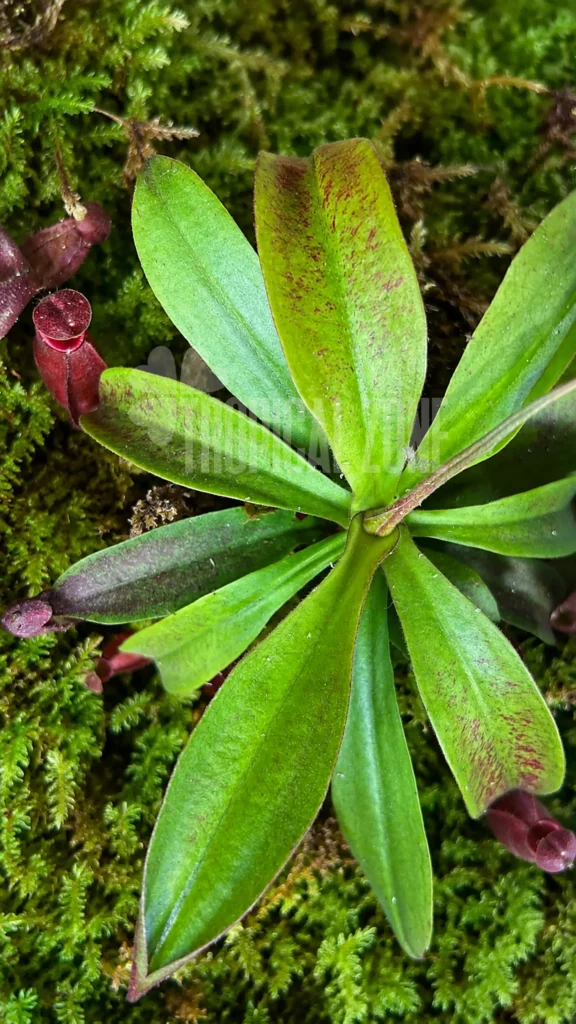
Sarracenia: The Genus That Actually Wants a Cold Winter
Sarracenia (North American pitcher plants) are unusual in the Indian context because they genuinely need a dormancy period with cooler temperatures something only cities like Delhi, Pune, or hill-adjacent regions can offer naturally. Unlike Nepenthes, which grow year-round without any real rest period, Sarracenia evolved in temperate wetlands with distinct seasons, and skipping dormancy for multiple years in a row tends to weaken the plant gradually rather than kill it outright which is precisely why it’s such an easy mistake for new growers to overlook.
In truly tropical cities like Chennai or Mumbai, growers often simulate dormancy using a cool, shaded spot sometimes even a refrigerator method wrapped in damp sphagnum moss for several weeks during the coolest part of the year. Sarracenia Scarlet Belle, an upcoming addition to our range, falls into this category stunning, with vivid red-veined pitchers, but best suited to growers willing to manage a proper winter rest rather than a “set and forget” houseplant.
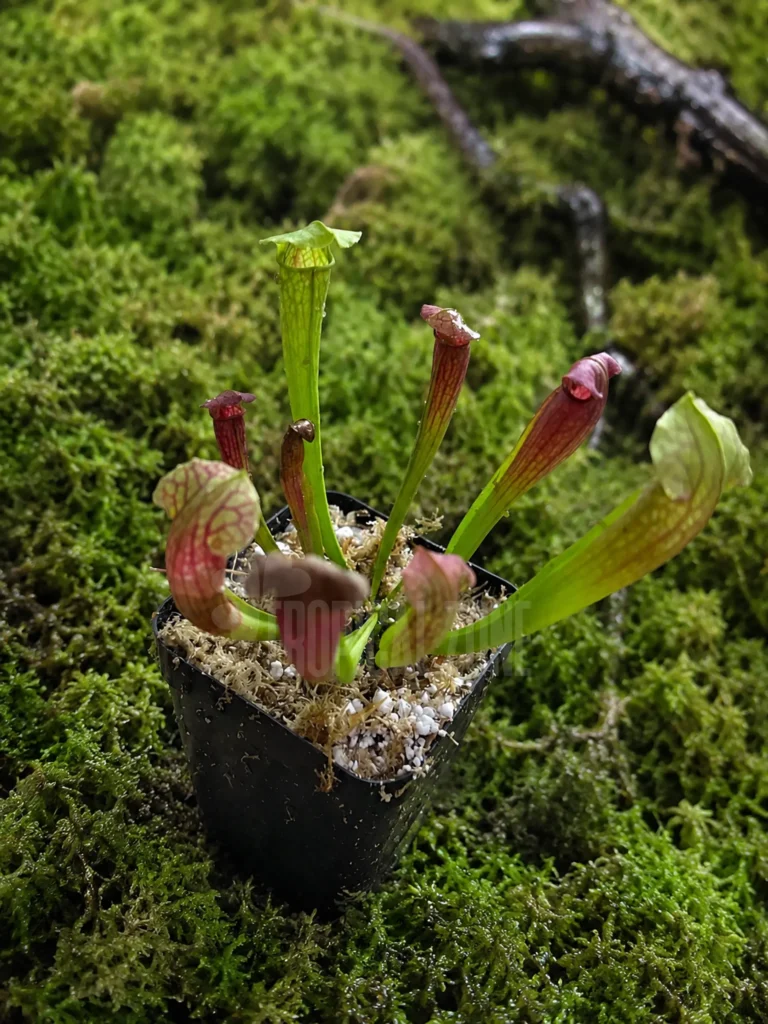
Pinguicula: The Low-Maintenance Butterworts
Pinguicula (butterworts) are often overlooked in favor of flashier Nepenthes or dramatic Venus flytraps, but they’re actually one of the easiest carnivorous plants for Indian conditions no complicated dormancy drama for most Mexican varieties, simple soil needs, and a passive sticky-leaf trap that catches fungus gnats and small flies without any effort from the grower. Their flat, succulent-like rosettes also make them visually distinct from other carnivorous plants, often mistaken for regular houseplants until you notice the faint shine of digestive mucilage on their leaves.
Mexican Pinguicula varieties in particular tend to be forgiving of India’s warmer, drier stretches, since many of them naturally go through a “succulent phase” during dry periods, storing water in tighter, less sticky leaves rather than requiring a full temperature-triggered dormancy. Upcoming varieties in our collection include:
- Pinguicula Weser – a hybrid known for producing dense rosettes of sticky leaves
- Pinguicula Aphrodite – valued for its attractive flowers as much as its trapping ability
- Pinguicula Esseriana – a compact, easy-to-grow Mexican species
- Pinguicula Gigantea – notable for its larger-than-average rosette size
- Pinguicula Sethos – a hybrid appreciated by collectors for its distinctive leaf coloration
- Pinguicula Agnata – a classic, widely grown Mexican species known for reliability
- Pinguicula Moranensis – one of the most common and forgiving Pinguicula species available
This is a solid spread for anyone who wants a low-fuss carnivorous plant that still looks striking on a windowsill arguably one of the best “quiet achiever” genera for Indian apartment growers who don’t want to fuss over misting schedules or dormancy fridges.
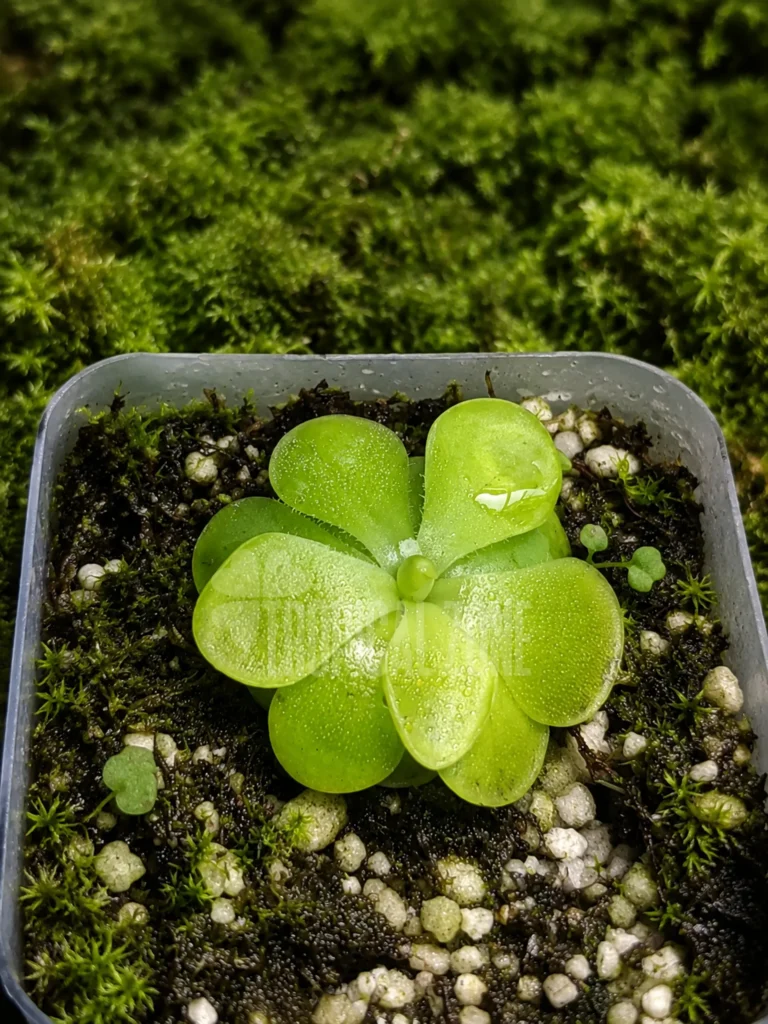
Utricularia and Stylidium: The Underrated Micro-Predators
Utricularia (bladderworts) and Stylidium (trigger plants) rarely get the spotlight in carnivorous plant conversations, but both do surprisingly well in India’s humid, terrarium-friendly cities, and both work on trapping mechanisms completely different from the sticky leaves or snapping jaws most people associate with carnivorous plants.
Utricularia species like Utricularia warburgii and Utricularia graminifolia are popular for carpeting terrariums and paludariums, forming dense, moss-like mats over time. Their traps are microscopic bladder-like structures underground or underwater that create a vacuum to suck in tiny prey like protozoa and nematodes invisible to the naked eye, but constantly active. This makes them less about visible “action” and more about slow, steady ecological function within a planted setup.
Stylidium debile, meanwhile, is a genuinely fascinating trigger plant that isn’t technically carnivorous in the traditional sense but is often grouped with carnivorous collections due to its unusual, irritable “trigger” column that snaps toward pollinators (or a light touch) in a fraction of a second. It’s a great conversation starter for anyone building a diverse carnivorous-adjacent setup, and its rapid mechanical movement makes it a favorite for demonstrating plant movement to curious first-time visitors.
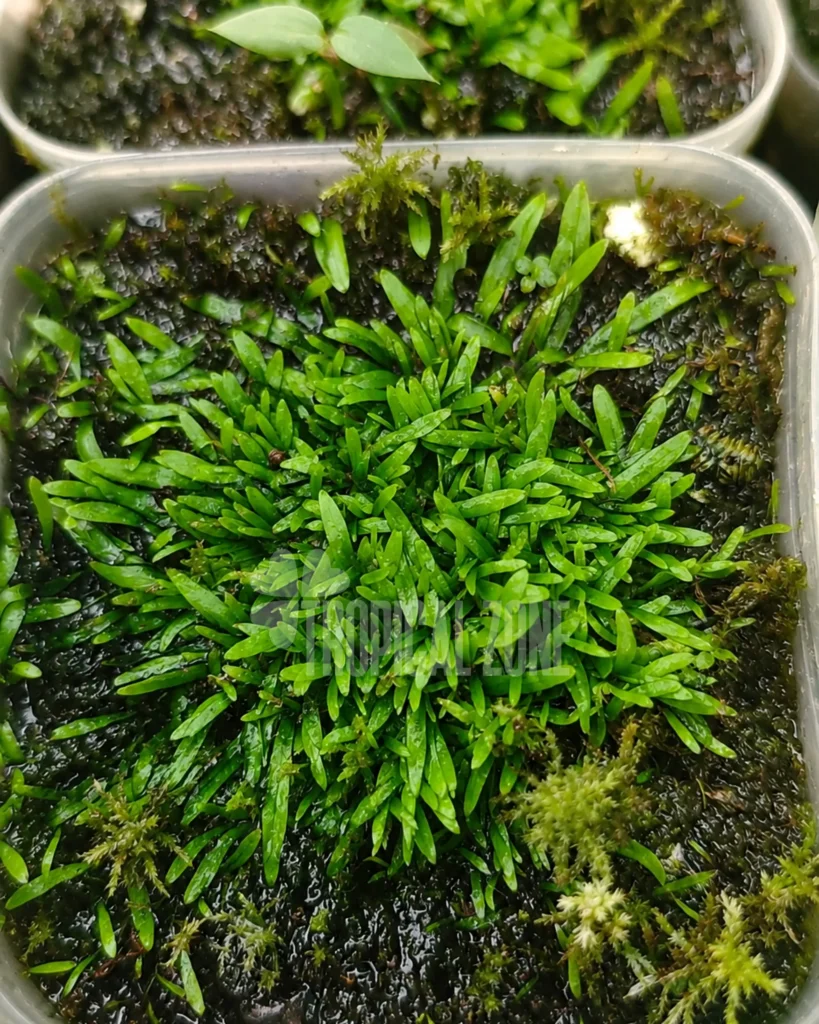
Table 2: Quick Care Snapshot by Genus
| Genus | Light Needs | Humidity Needs | Water Type | Dormancy Required? | India Difficulty |
|---|---|---|---|---|---|
| Drosera | Bright, indirect to full sun | Moderate | Distilled/RO/rainwater | Rarely | Easy |
| Nepenthes | Bright, filtered light | High | Distilled/RO/rainwater | No | Moderate |
| Sarracenia | Full sun | Moderate | Distilled/RO/rainwater | Yes | Moderate-Hard |
| Pinguicula | Bright, indirect light | Low-Moderate | Distilled/RO/rainwater | Sometimes (variety-dependent) | Easy |
| Utricularia | Bright, indirect light | High (aquatic/semi-aquatic types) | Distilled/RO/rainwater | No | Easy-Moderate |
| Stylidium | Bright, indirect light | Moderate | Distilled/RO/rainwater | No | Moderate |
Common Mistakes Indian Growers Make
Even with the right plant-to-climate match, a handful of recurring mistakes account for most carnivorous plant losses in India:
Using tap water instead of distilled, RO, or rainwater. This is by far the most common cause of slow decline. High TDS (total dissolved solids) levels in Indian tap water lead to a gradual mineral buildup that browns leaf tips and damages roots over several weeks — often mistaken for a pest or disease issue rather than a water quality problem.
Assuming all carnivorous plants need constant misting. This applies well to Nepenthes and some Drosera, but overhead misting can actually encourage fungal rot in Pinguicula and Sarracenia, especially during humid monsoon months in cities like Kolkata or Mumbai.
Skipping dormancy for Sarracenia year after year. A Sarracenia grown without any cool rest period may survive a full season looking healthy, but tends to weaken gradually over two to three years without an artificial cold spell.
Overfeeding. Carnivorous plants catch enough prey naturally in most outdoor or semi-outdoor Indian settings. Manually feeding insects too frequently — more than once every few weeks — can cause traps to blacken and die off prematurely.
Using garden soil instead of a proper carnivorous mix. Regular potting soil is far too nutrient-rich and compacts too tightly, both of which are harmful to plants adapted to nutrient-poor, well-draining bog conditions.
A Rough Seasonal Calendar for Indian Growers
| Season | What Most Genera Need | Special Notes |
|---|---|---|
| Summer (Mar–Jun) | Extra shade for Nepenthes and Sarracenia; consistent watering for all | Watch for scorching in Delhi and Chennai’s peak heat |
| Monsoon (Jun–Sep) | Improved drainage, airflow to prevent rot | Kolkata and Mumbai growers should watch humidity-driven fungal issues closely |
| Post-Monsoon (Oct–Nov) | Reduce watering slightly as temperatures ease | Good time to assess plant health after monsoon stress |
| Winter (Dec–Feb) | Cool dormancy period for Sarracenia and some Pinguicula | Delhi and Pune growers get this naturally; other cities may need a cool, shaded spot |
Q&A: Quick Answers to Common Questions
Q: Which carnivorous plant is best for a beginner in India?
A: Drosera species (like D. spatulata or D. burmannii) and most Pinguicula varieties are the easiest starting points — forgiving of heat swings and low-maintenance overall.
Q: Do carnivorous plants need to be fed insects regularly?
A: No. Most catch enough prey naturally if kept outdoors or near a window. Indoors, occasional feeding helps but isn’t mandatory for survival, and overfeeding can actually damage traps.
Q: Can carnivorous plants survive Indian summers without air conditioning?
A: Yes, for most genera — as long as humidity is managed and direct scorching afternoon sun is filtered. Nepenthes and Sarracenia are the most heat-sensitive and benefit from extra shade during peak summer.
Q: Is tap water safe for carnivorous plants in India?
A: Generally no. High mineral content (TDS) in most Indian tap water can damage roots over time. Rainwater, distilled water, or RO water is strongly recommended for all genera.
Q: Do all carnivorous plants need a winter dormancy period?
A: No — this is genus-specific. Sarracenia typically needs it; Nepenthes and most Drosera and Pinguicula don’t require true dormancy in Indian conditions, though a cooler winter rest doesn’t hurt most species.
Q: Can different carnivorous genera be grown together in one terrarium?
A: Yes, as long as their humidity and light needs roughly match — Drosera, Utricularia, and Pinguicula often coexist well; Nepenthes and Sarracenia usually need separate setups due to differing humidity and dormancy needs.
Q: Why do carnivorous plant traps sometimes turn black and die?
A: This is often a normal part of the leaf life cycle after a trap has caught and digested prey a few times. However, if it happens excessively or across the whole plant, it usually points to poor water quality, overfeeding, or root stress.
Q: Do carnivorous plants need direct sunlight or just bright light?
A: It depends on the genus. Sarracenia and many Drosera species prefer several hours of direct sun for strong trap coloration, while Nepenthes and Pinguicula generally prefer bright but filtered or indirect light.
Q: Are carnivorous plants safe around pets and children?
A: Generally yes — their traps are designed for insects, not larger animals, and they pose no toxicity risk. That said, as with any plant, supervision around curious pets or toddlers is a sensible precaution.
Q: Can carnivorous plants help with mosquitoes or gnats indoors?
A: To a limited extent. Drosera, Pinguicula, and Utricularia can catch small flying insects and fungus gnats over time, but they shouldn’t be relied on as a primary pest control method.
Conclusion :
India’s climate diversity is actually a hidden advantage for carnivorous plant growers there’s genuinely a genus, and often a specific species, suited to almost every region, from Mumbai’s humidity to Delhi’s dry winters, from Bangalore’s mild stability to Kolkata’s monsoon intensity. The key isn’t finding the single “easiest” carnivorous plant in general it’s finding the right match for your specific city, your specific setup, and the amount of hands-on care you’re realistically able to give.
As we continue expanding our carnivorous plant collection spanning Drosera, Nepenthes, Sarracenia, Pinguicula, Utricularia, and Stylidium understanding these climate fundamentals first will make the difference between a thriving collection and a frustrating one. Water quality, humidity, light intensity, and dormancy needs matter far more than any single “care hack,” and getting those four fundamentals right will carry any grower, in any Indian city, a very long way.
Whichever genus you eventually choose to bring home, starting with realistic expectations about your local climate rather than a one size fits all care sheet is the single best first step any grower in India can take🌵🌳🍄🎋!!
