Description
Drosera Spatulata – Spoon-Leaved Sundew Carnivorous Plant
Drosera spatulata, commonly known as the Spoon-Leaved Sundew, is a compact, eye-catching carnivorous plant admired for its neat rosette form, sparkling sticky foliage, and remarkable insect-catching ability. Frequently searched as Drosera spatula, this exotic insect-eating plant is a wonderful choice for carnivorous plant collectors, terrarium hobbyists, beginners, and indoor gardeners looking for a truly fascinating living plant.
Native to parts of Australia, New Zealand, and Southeast Asia, Drosera spatulata naturally grows in bright, wet, nutrient-poor bogs and sandy soils. Its strong adaptability and relatively easy care requirements have made it one of the most popular sundew species for home cultivation. This beautiful carnivorous sundew plant is ideal for bright windowsills, indoor grow-light setups, terrariums with suitable airflow, miniature bog gardens, and exotic plant collections.
Drosera Spatulata Beautiful Spoon-Shaped Sticky Leaves
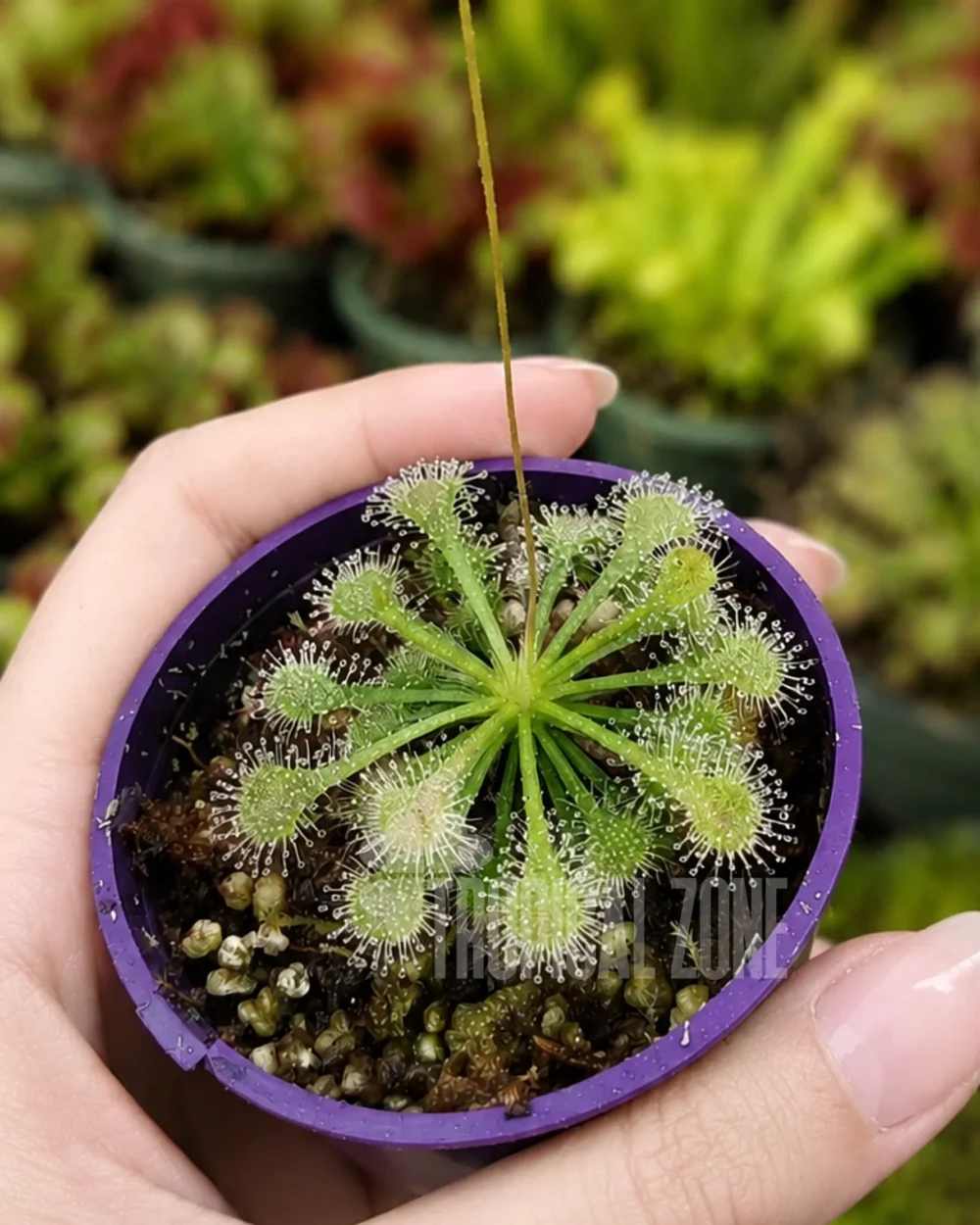
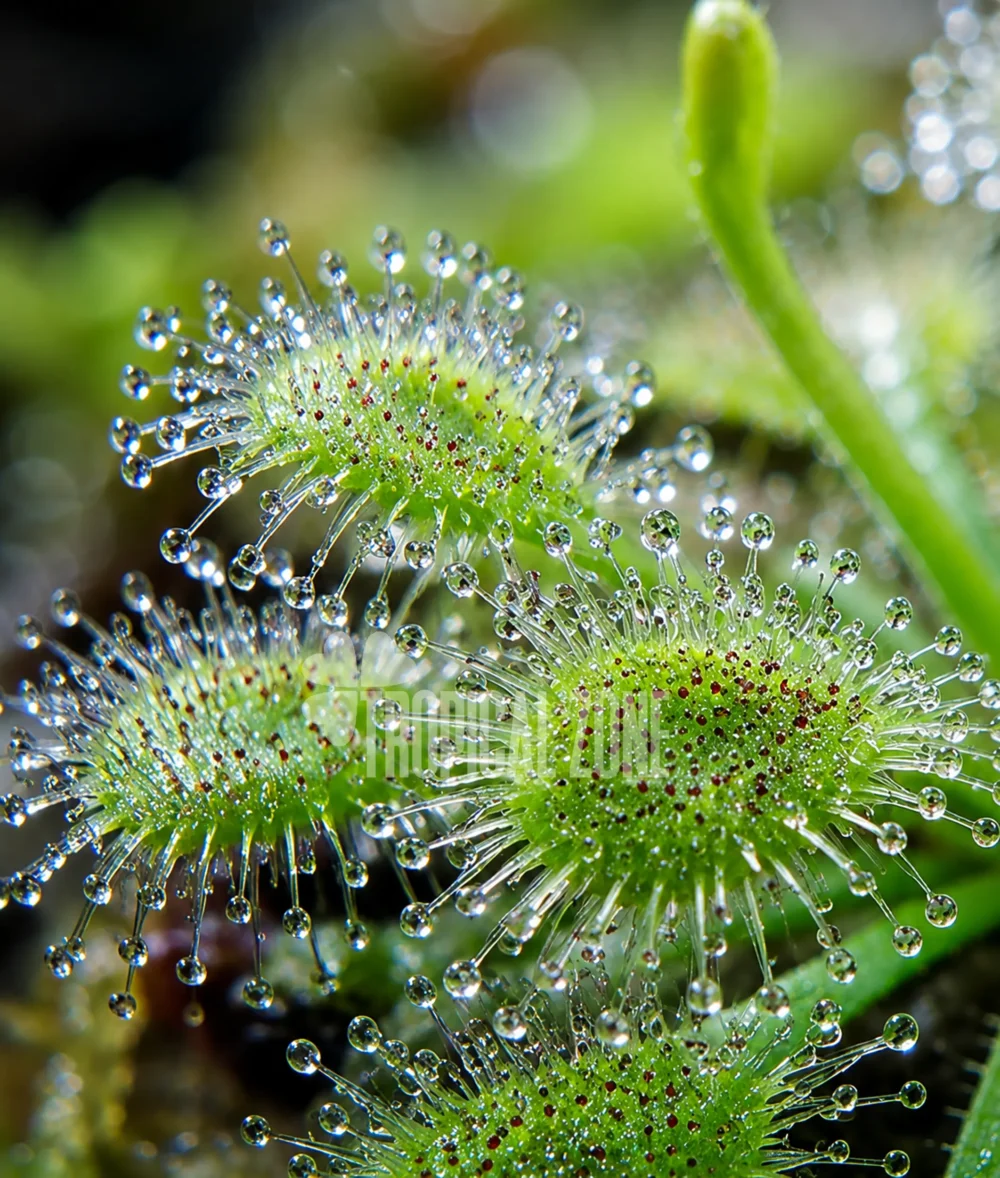
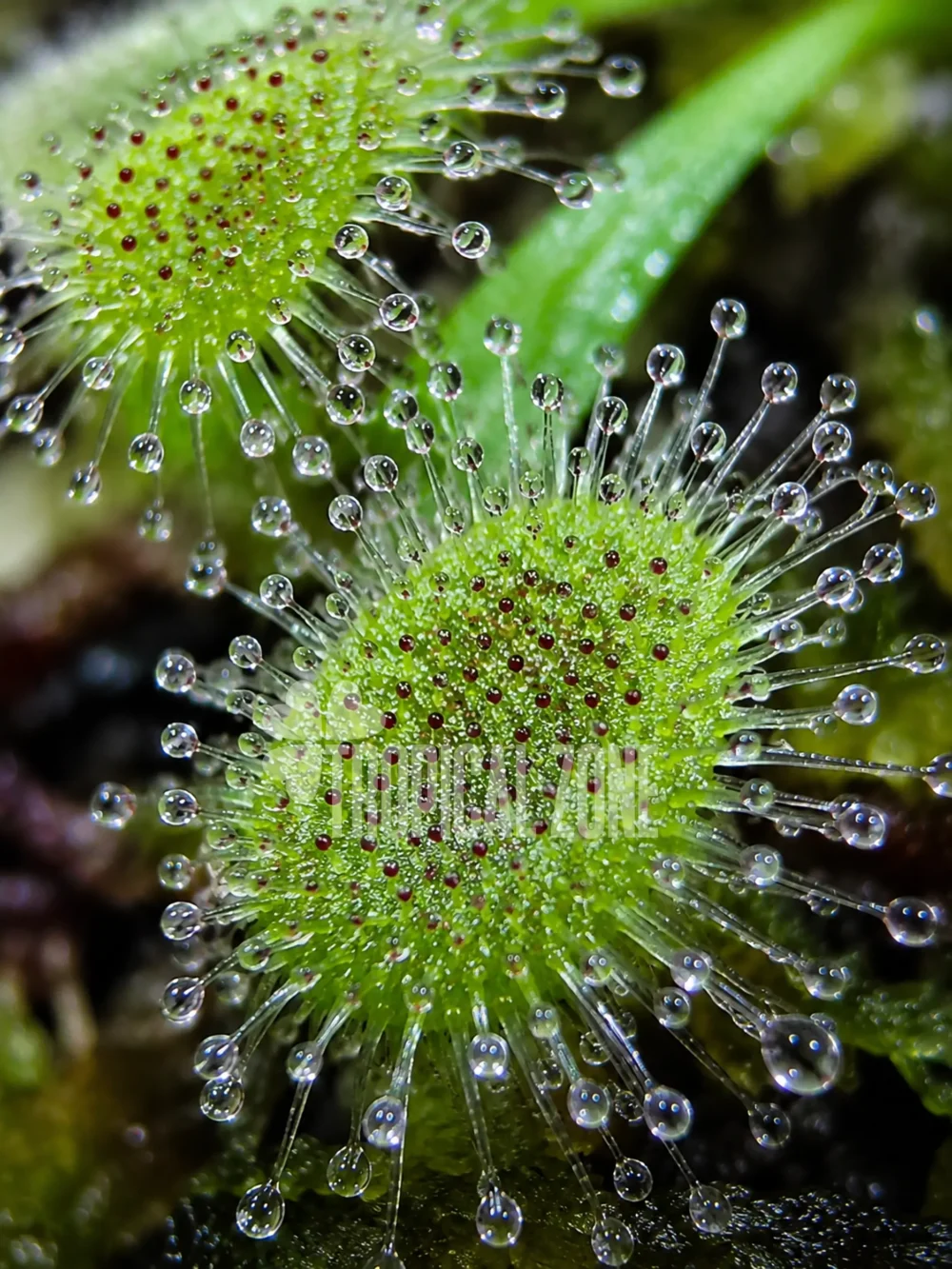
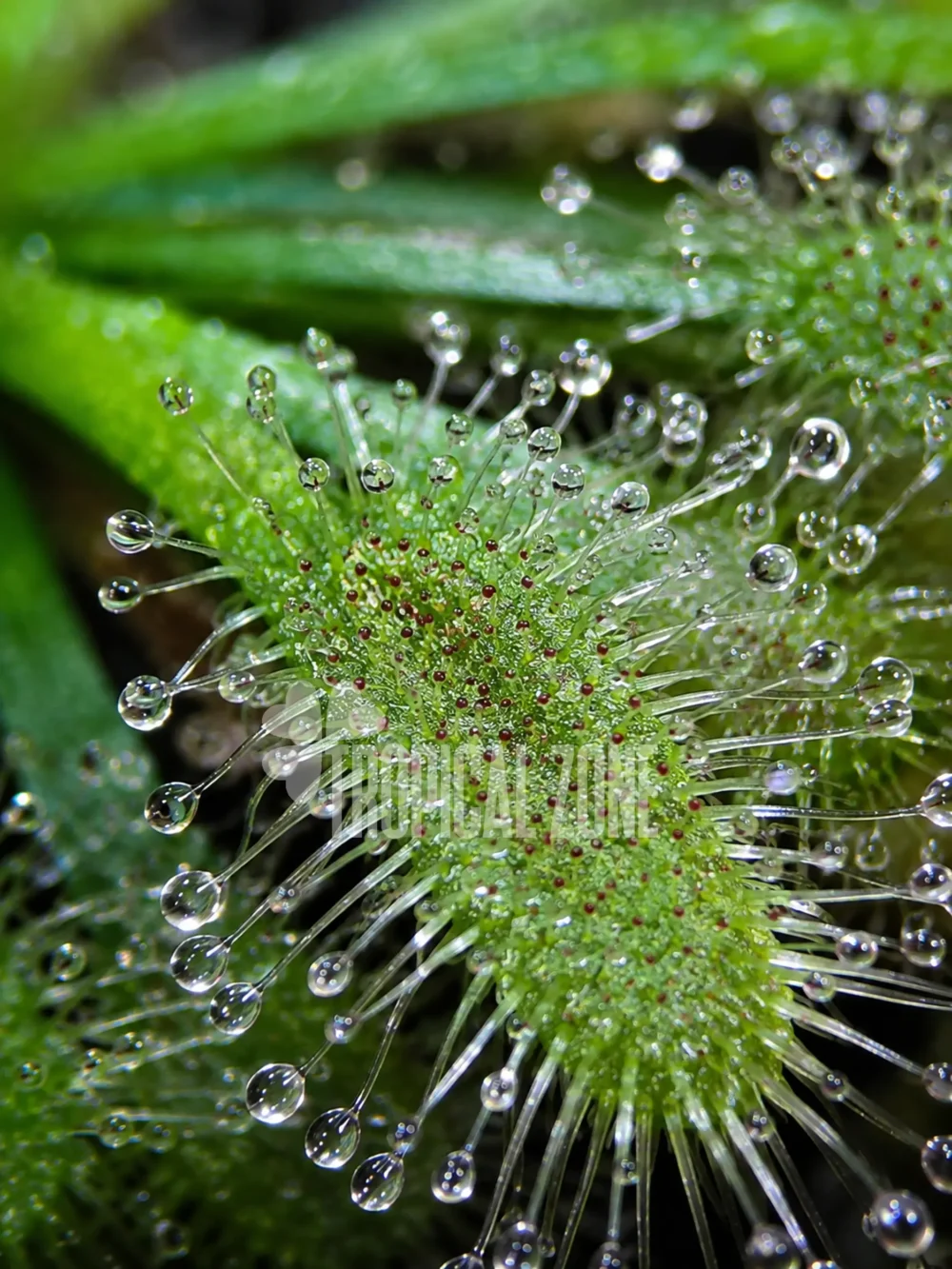
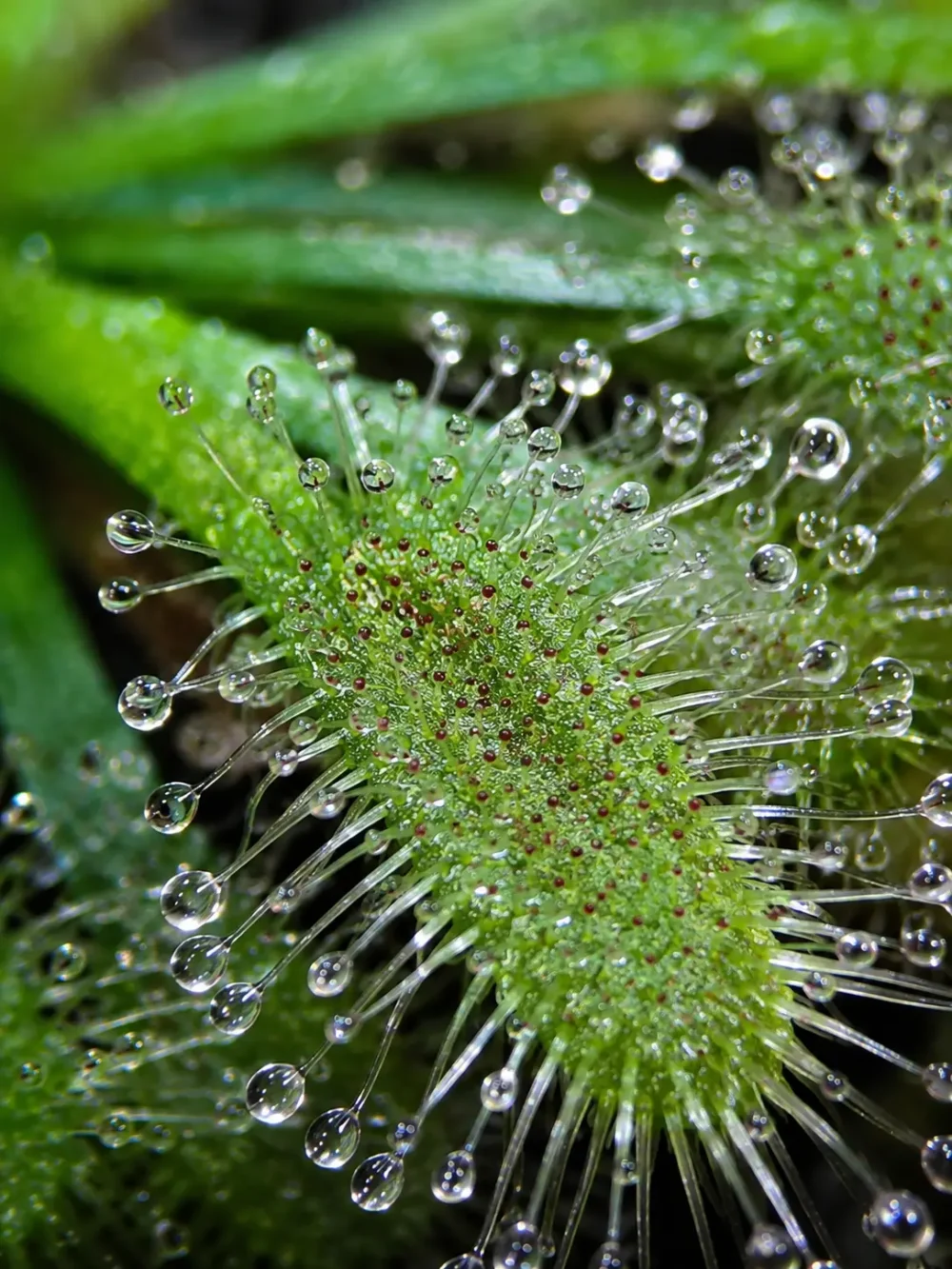
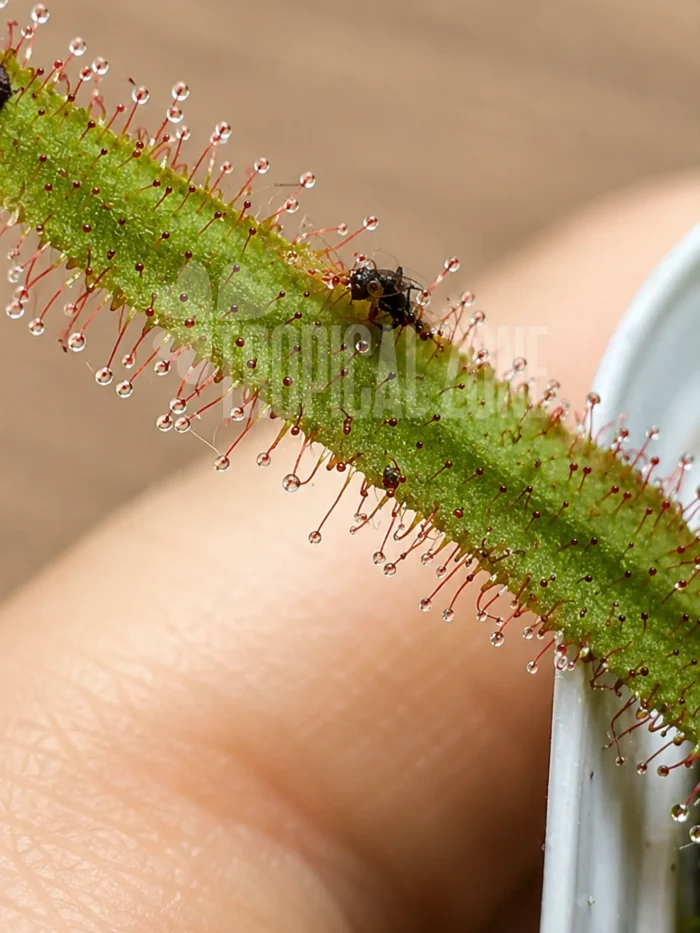
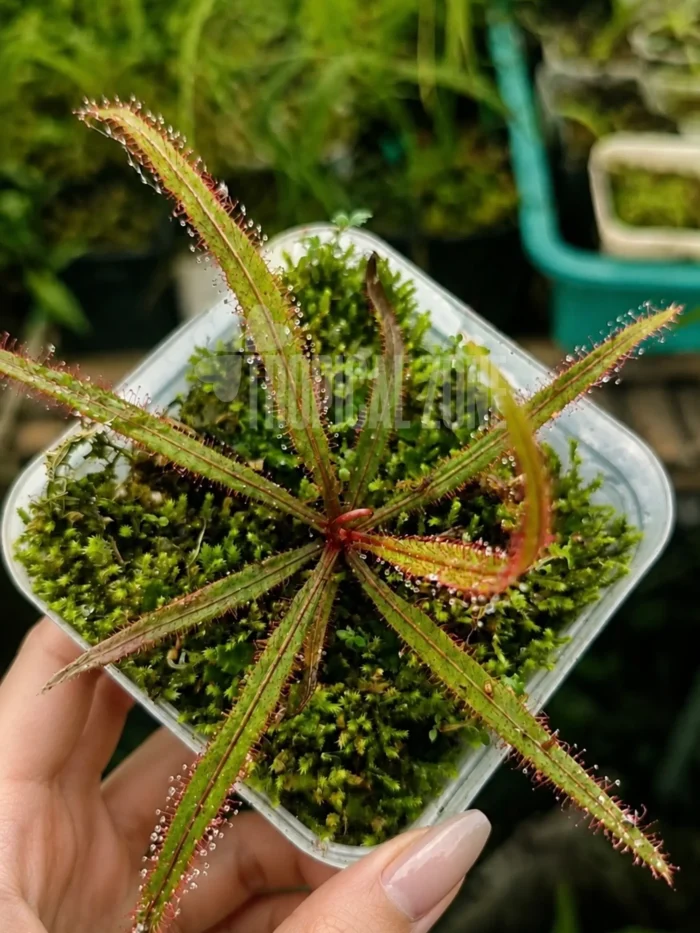
The defining feature of Drosera spatulata is its low, symmetrical rosette of spoon-shaped leaves. Every leaf is covered with fine glandular tentacles that produce shining droplets of sticky mucilage. These clear droplets resemble tiny beads of morning dew, giving the plant its famous “sundew” appearance.
Under good lighting, the leaves can develop attractive shades of green, pink, red, and crimson. Stronger light generally encourages richer colour and heavier dew production, while lower light may result in greener foliage. The contrast between the sparkling sticky traps and colourful tentacles makes this one of the most visually appealing small carnivorous plants available.
A Natural Insect-Eating Plant
When a small insect lands on the sticky surface of the leaf, it becomes trapped by the glistening tentacles. The plant may slowly curl its leaf around the prey and digest it over time, absorbing valuable nutrients. This natural process helps Drosera spatulata survive in nutrient-poor soil where ordinary plants struggle.
This active trapping behaviour makes the Spoon-Leaved Sundew more than a decorative plant. It is a truly interactive insectivorous plant that offers a fascinating view of nature at work. It can catch fungus gnats, fruit flies, tiny flying insects, and other small pests that may be present around indoor plants.
Why Choose Drosera spatulata?
- Compact carnivorous plant perfect for small spaces.
- Attractive spoon-shaped leaves covered in sparkling sticky dew.
- Naturally catches fungus gnats, fruit flies, and tiny insects.
- Excellent choice for beginner carnivorous plant growers.
- Produces colourful red and green foliage under bright light.
- Perfect for terrariums, bog gardens, grow lights, and windowsills.
- Requires no ordinary fertilizer or rich potting soil.
- Creates a beautiful centrepiece in exotic indoor plant collections.
- Fascinating gift for plant lovers, children, and nature enthusiasts.
Easy Care for Beginners
Drosera spatulata care is simple when the plant receives pure water, bright light, and consistently moist soil. Unlike normal houseplants, carnivorous sundews should never be grown in fertilized soil. They are naturally adapted to nutrient-poor substrates and can be damaged by compost, manure, chemical fertilizers, and regular potting mix.
Use a suitable carnivorous plant medium such as sphagnum peat moss mixed with perlite or silica sand. Long-fiber sphagnum moss may also be used. Keep the medium evenly moist by placing the pot in a shallow water tray. Do not allow the growing medium to dry out completely.
Always use distilled water, RO water, or clean rainwater. Tap water often contains minerals that can build up in the soil and harm the sensitive roots of sundews. Pure water is one of the most important requirements for keeping your Spoon-Leaved Sundew healthy, colourful, and covered with sticky dew.
Light, Temperature & Humidity Requirements
Provide bright indirect light, gentle morning sunlight, or a quality grow light for best growth. Good light supports compact rosette growth, stronger red colour, and abundant mucilage production. Although this species can adapt to indoor growing, weak lighting may reduce the amount of visible sticky dew.
- Ideal Temperature: 18°C to 30°C
- Water: Distilled water, RO water, or rainwater only
- Light: Bright indirect light, morning sun, or grow lights
- Humidity: Moderate to high humidity is beneficial
- Soil: Nutrient-poor carnivorous plant mix only
- Fertilizer: Do not use regular fertilizer
Drosera spatulata grows well in warm conditions with stable moisture. It can thrive in an open pot, a bright windowsill, or a terrarium with proper ventilation. Avoid dry soil, hard water, and dark locations, as these conditions can reduce growth and damage the plant.
Feeding Your Sundew
This carnivorous plant usually feeds itself by naturally catching small insects. If grown in a very clean indoor environment, you may occasionally feed it a tiny insect such as a fungus gnat or fruit fly. Do not overfeed. A small amount of prey occasionally is enough to support healthy growth, and each leaf should not be fed repeatedly.
Perfect For
- Carnivorous plant collectors
- Terrarium and bog garden enthusiasts
- Indoor plant lovers
- Beginners exploring insect-eating plants
- Rare and exotic plant collections
- Natural fungus gnat control near houseplants
- Educational plant displays
- Unique plant gifts
Buy Drosera spatulata Online in India
Order Drosera spatulata online from TropicalZone and bring home a healthy, premium-quality Spoon-Leaved Sundew. Each plant is carefully selected and packed to help preserve freshness and plant health during delivery. With secure packaging and reliable Pan India delivery, this beautiful carnivorous plant can arrive ready to become a sparkling highlight in your terrarium, windowsill, bog garden, or exotic plant collection.
Add the incredible beauty of a real insect-eating sundew to your growing space. With its colourful sticky traps, compact form, and beginner-friendly nature, Drosera spatulata is an essential plant for every carnivorous plant enthusiast.




Reviews
There are no reviews yet.