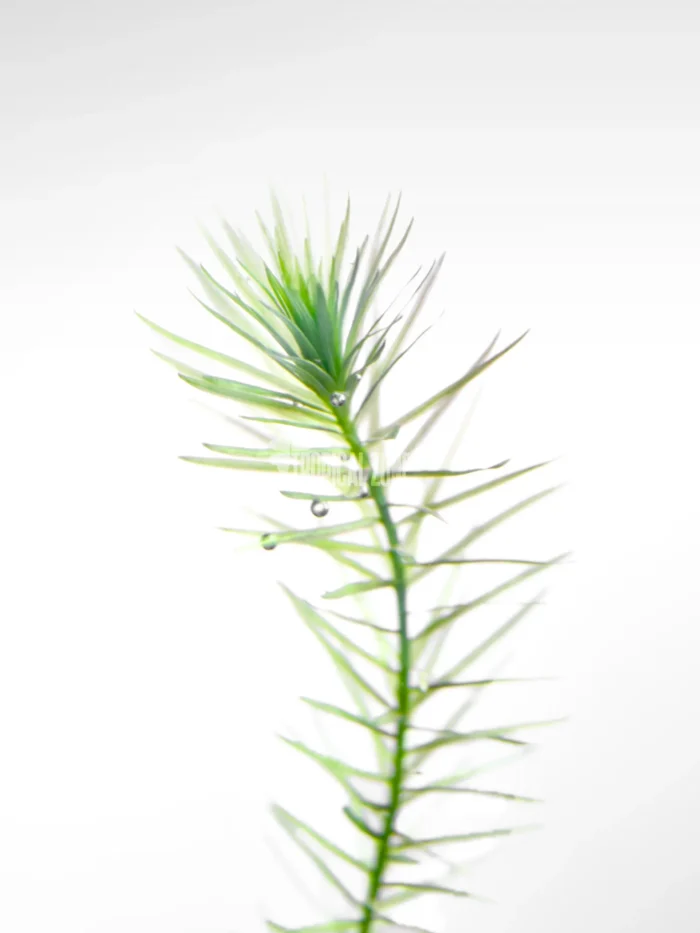
Guppy Grass (Najas guadalupensis) is one of the most versatile and beginner-friendly aquarium plants, loved by aquarists for its rapid growth, ability to oxygenate water, and usefulness in breeding tanks. With its thin, delicate, bright green stems and dense bushy appearance, Guppy Grass creates a natural, flowing environment that provides excellent cover for fish, fry, and shrimp.
As its name suggests, this plant is especially popular in guppy breeding tanks because it offers dense hiding spaces for baby fish to escape predation. Beyond guppies, it benefits a wide variety of freshwater species by improving water quality, absorbing excess nutrients, and reducing algae growth.
At TropicalZone, we provide healthy, pest-free Guppy Grass with All India Delivery, ensuring you can easily add this hardy and fast-growing plant to your aquarium.
⸻
Appearance & Use
Guppy Grass features long, branching stems with small, pointed leaves that form dense clusters. It can be floated freely or planted in substrate, making it highly adaptable to different aquascaping styles.
This plant is perfect for:
• Breeding tanks, especially for guppies, bettas, and livebearers.
• Shrimp aquariums, where its leaves collect biofilm and provide shelter.
• Natural aquascapes needing fast oxygenation and nutrient absorption.
• Community aquariums where fry survival and algae control are priorities.
Its lush, tangled growth mimics natural aquatic environments, helping fish feel secure while enhancing the overall aesthetics of your aquarium.
⸻
Why Choose Guppy Grass (Najas guadalupensis)?
• Extremely fast-growing and hardy – thrives in almost any condition.
• Provides cover and hiding spots for fry, shrimp, and small fish.
• Absorbs nitrates and excess nutrients, helping prevent algae.
• Versatile – can be floated or planted in substrate.
• Great for beginner hobbyists and breeding setups.
⸻
Care Guide
• Type: Stem plant (can be floating or rooted).
• Lighting: Low to medium light is sufficient; stronger light encourages denser growth.
• CO₂: Not required, but optional CO₂ supplementation accelerates growth.
• Substrate: Not necessary if floated; if planted, use sand, gravel, or soil.
• Water Parameters:
• pH: 6.0–7.5
• Hardness: Soft to moderately hard
• Temperature: 20–28°C (68–82°F)
• Growth Rate: Very fast; regular trimming prevents overgrowth.
• Propagation: Simple – cut stem segments and replant or float to start new growth.
⸻
Common Issues and Solutions
• Overgrowth: Guppy Grass grows extremely fast and can take over tanks. Regular trimming keeps it under control.
• Leaves Shedding: Sometimes sheds when first introduced to new water conditions. Stable parameters help it adapt quickly.
• Tangled Mess: Floating growth may look messy in display tanks. Planting in substrate or controlled trimming keeps it neat.
• Algae Growth: If nutrient imbalance occurs, algae may attach to leaves. Maintain good water flow and stable fertilization.
⸻
Packaging and Shipping
Our Guppy Grass is carefully packed to maintain freshness and prevent damage during transit. Each bundle is checked for health, pest-free quality, and strong growth before shipping. With All India Delivery, TropicalZone ensures that Guppy Grass arrives at your doorstep healthy and ready to thrive.
⸻
Who Should Buy Guppy Grass?
• Beginner hobbyists looking for an easy, hardy plant.
• Fish breeders raising guppies, bettas, and livebearers.
• Shrimp keepers who want natural shelter and biofilm growth.
• Aquarists aiming to reduce algae naturally by nutrient absorption.
• Hobbyists designing natural, wild-style aquascapes.
⸻
Buy Guppy Grass Online with All India Delivery!
Order Guppy Grass (Najas guadalupensis) today from TropicalZone and enjoy one of the easiest and fastest-growing aquarium plants. With its vibrant green stems, oxygenating power, and fry-protecting benefits, Guppy Grass is an essential addition for both beginners and experienced aquascapers.
Add Guppy Grass to your aquarium now and create a lush, natural environment that supports healthy fish, shrimp, and fry growth.
⸻
Reviews
There are no reviews yet.
Only logged in customers who have purchased this product may leave a review.
What is Guppy Grass, and what makes it useful in freshwater aquariums?
Guppy Grass is a fast-growing freshwater aquarium plant commonly sold as Najas guadalupensis, although the exact species may vary by supplier. Its fine, tangled stems provide shelter for guppy fry and shrimp while creating natural greenery without requiring specialised substrate or injected CO₂. It can be grown floating or loosely planted, making it useful for breeding tanks, low-tech aquariums, and natural-style aquascapes.
How fast does Guppy Grass grow, and how often should you trim it?
Guppy Grass can grow several centimetres per week under favourable conditions, although its growth rate depends on lighting, nutrients, temperature, and plant health. In a well-maintained aquarium, inspect it weekly and trim whenever the stems crowd the surface, shade other plants, or obstruct filter intakes. Remove excess growth carefully because its delicate stems break easily. Rather than following a rigid trimming schedule, maintain enough plant cover for shelter while preserving open swimming space and good water circulation.
How much Guppy Grass should you add to a guppy fry tank?
For a starting point, try approximately one loose handful of Guppy Grass per 20 litres of aquarium water, then adjust according to the plant's volume and the tank layout. Let the stems form a dense, sheltered area where newborn guppies can hide, preferably near the surface, while keeping the filter intake clear. This is a practical starting estimate, not a fixed biological requirement. Adult guppies may still eat fry, so use a separate breeding tank or breeder box if maximising fry survival is your priority.
Does Guppy Grass float or sink, and why won't mine stay planted?
Guppy Grass can float freely, and floating is normal rather than a sign of poor health. Its delicate stems may also detach from sand or gravel because they are easily disturbed by fish, water movement, or handling. Floating growth is particularly useful in breeding tanks because it creates shelter without requiring substrate. If you prefer a planted appearance, gently secure the lower stems in the substrate without crushing them. Check for healthy green growth before changing your setup simply because the plant will not remain anchored.
Can Guppy Grass grow in hard Indian tap water without CO₂ injection?
Yes, Guppy Grass can tolerate a range of freshwater conditions and is often suitable for low-tech aquariums using moderately hard tap water. However, tolerance depends on the actual water chemistry and the plant's identity. Test your aquarium's pH and hardness rather than assuming all Indian tap water is alike. Low to moderate lighting and adequate nutrients can support growth without injected CO₂. If the plant deteriorates, check for sudden changes in water chemistry, insufficient nutrients, or excessive heat before making major adjustments.
Is Guppy Grass better than Java Moss, Hornwort, or Water Sprite for guppy fry?
Guppy Grass is a useful option when you want fast-growing, tangled foliage that provides hiding places for newborn guppies. Java Moss offers a finer, persistent surface for biofilm and grazing, while Hornwort creates bushy cover and Water Sprite produces broader foliage and can develop floating growth. The best choice depends on maintenance preferences, available space, and the aquarium's conditions. Guppy Grass can require frequent thinning because it grows quickly, whereas Java Moss may be easier to maintain as a fixed clump. Combining compatible plants can provide varied shelter.
Can Guppy Grass carry snails or pests, and how should you prepare it before adding it to your aquarium?
Yes, live aquarium plants can occasionally carry unwanted snails, eggs, algae, or other hitchhikers. Before adding Guppy Grass, inspect the stems and rinse them gently in clean, appropriately conditioned water. Quarantine the plant in a separate container or aquarium when practical, and monitor it for unwanted organisms before introducing it to a display tank. Avoid household cleaning products, soap, and unverified chemical treatments because residues can harm fish and shrimp. If the plant is intended for a sensitive aquarium, use a quarantine method appropriate for the livestock you keep.







Reviews
There are no reviews yet.