₹125.00Original price was: ₹125.00.₹99.00Current price is: ₹99.00.
In stock
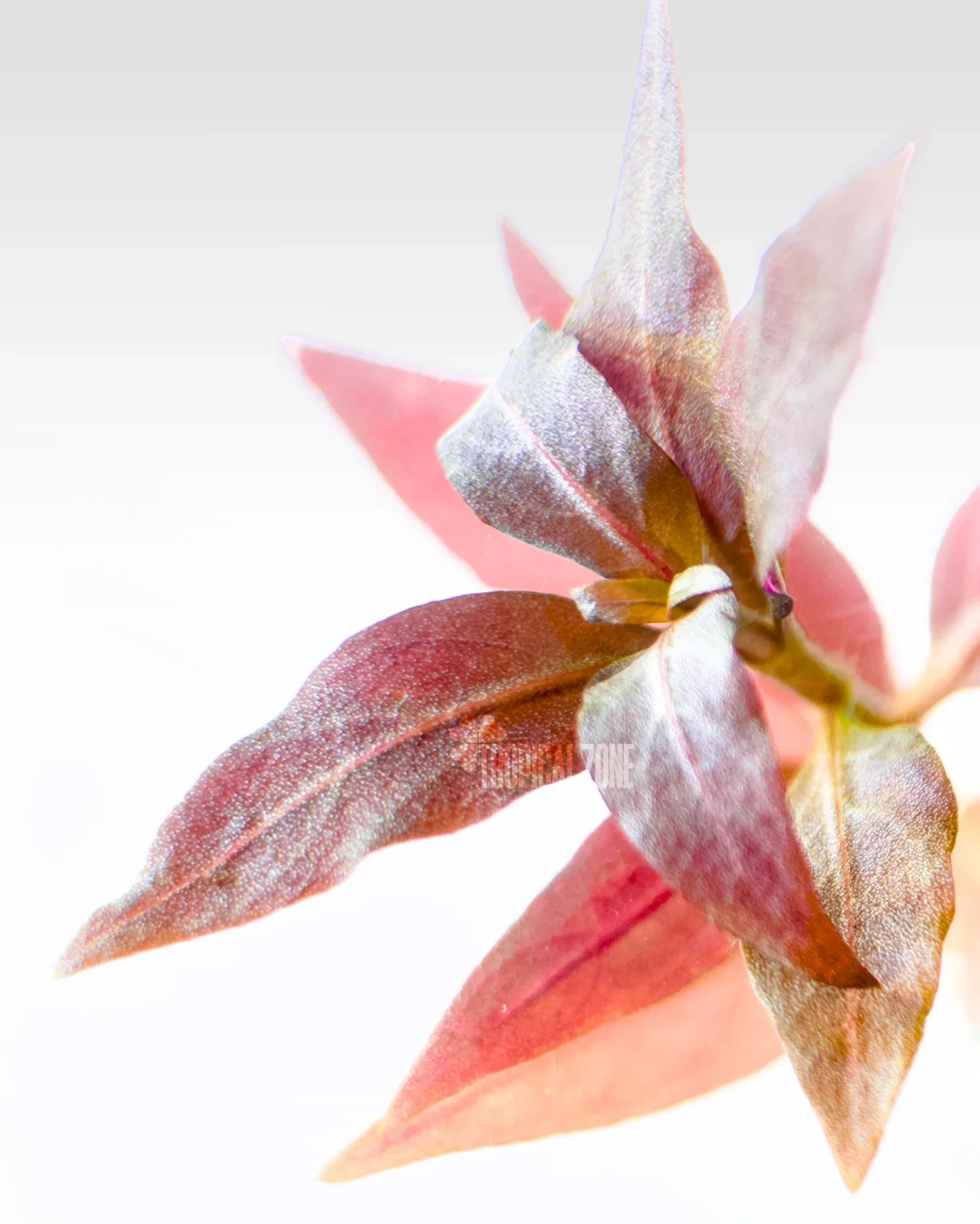
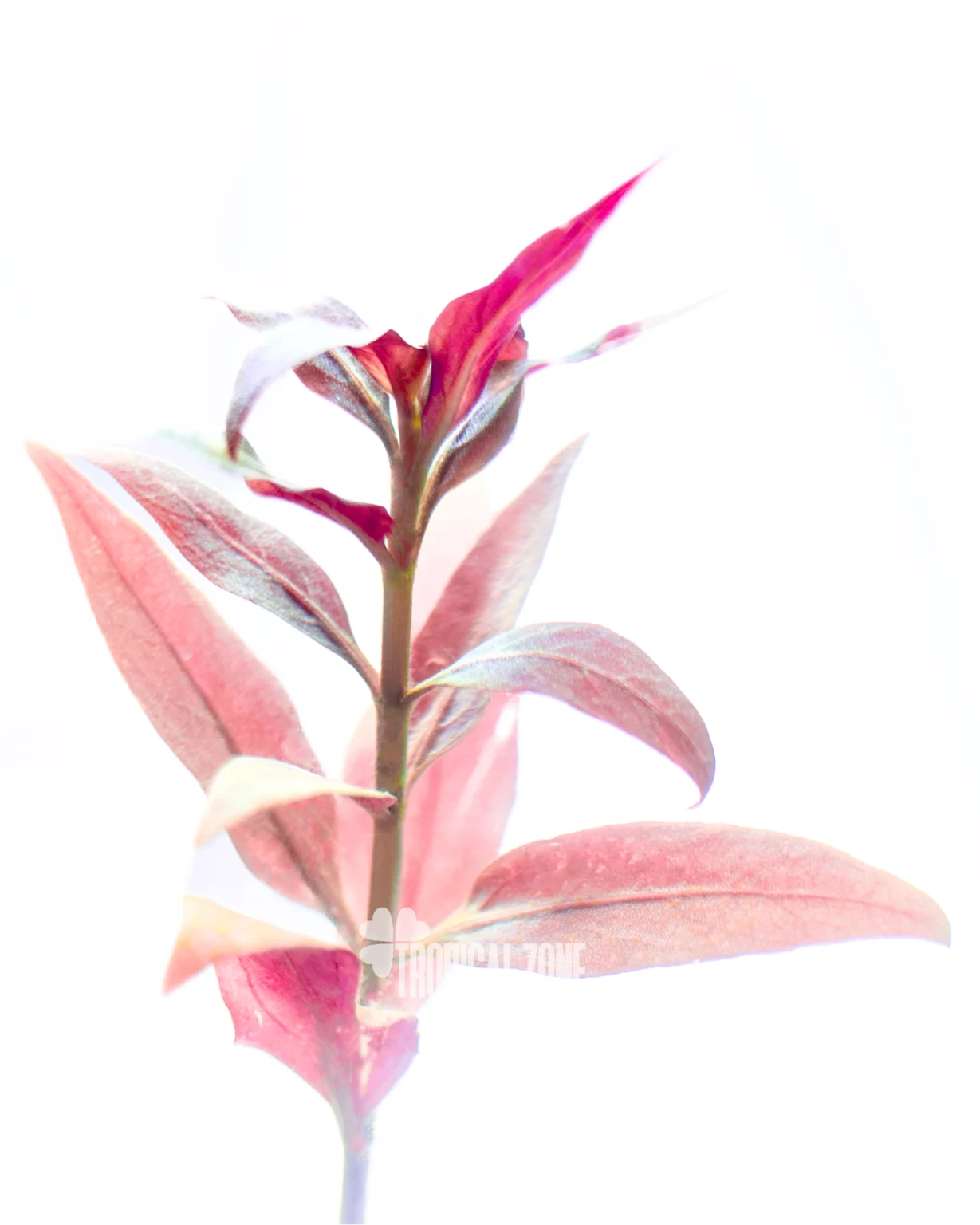
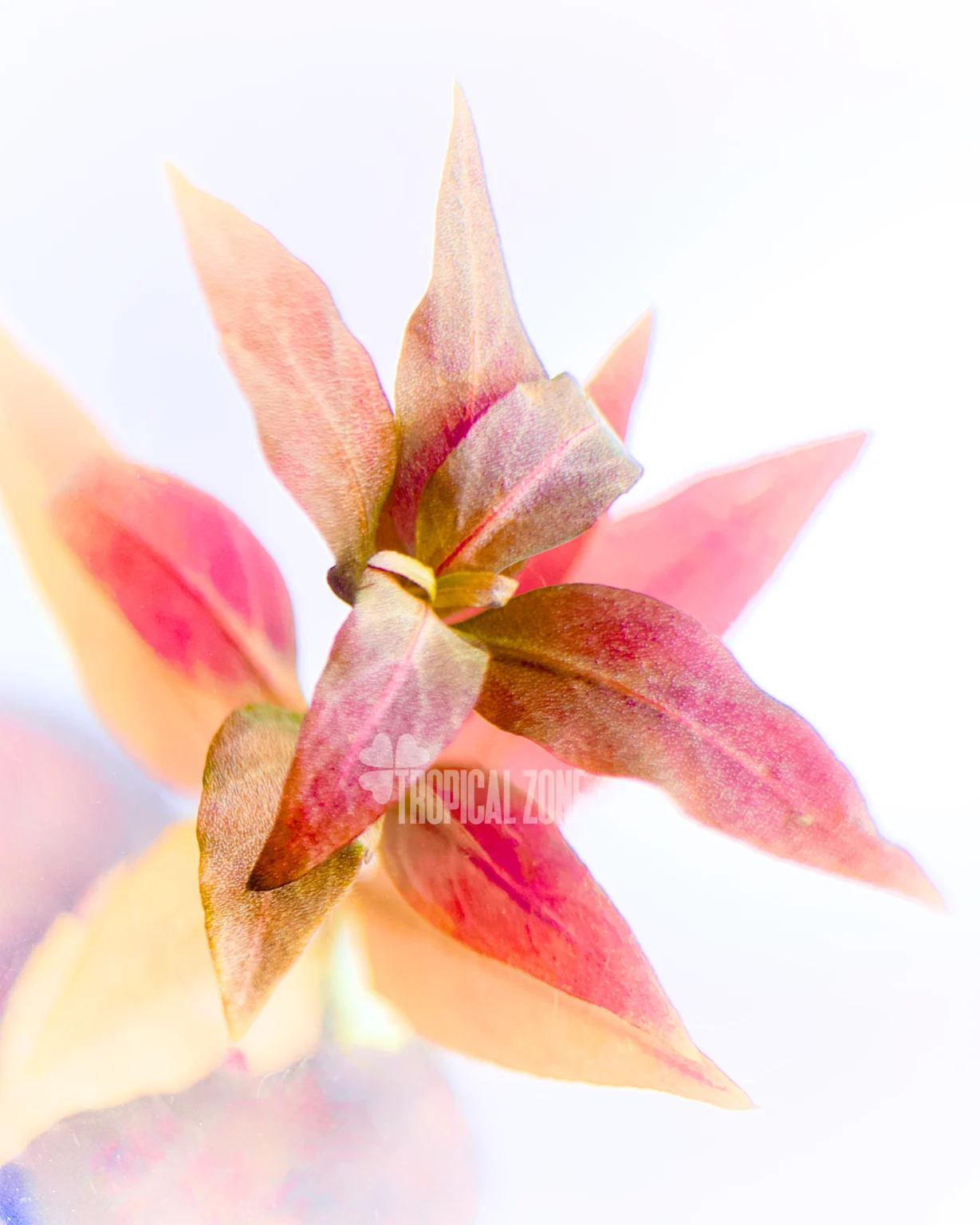
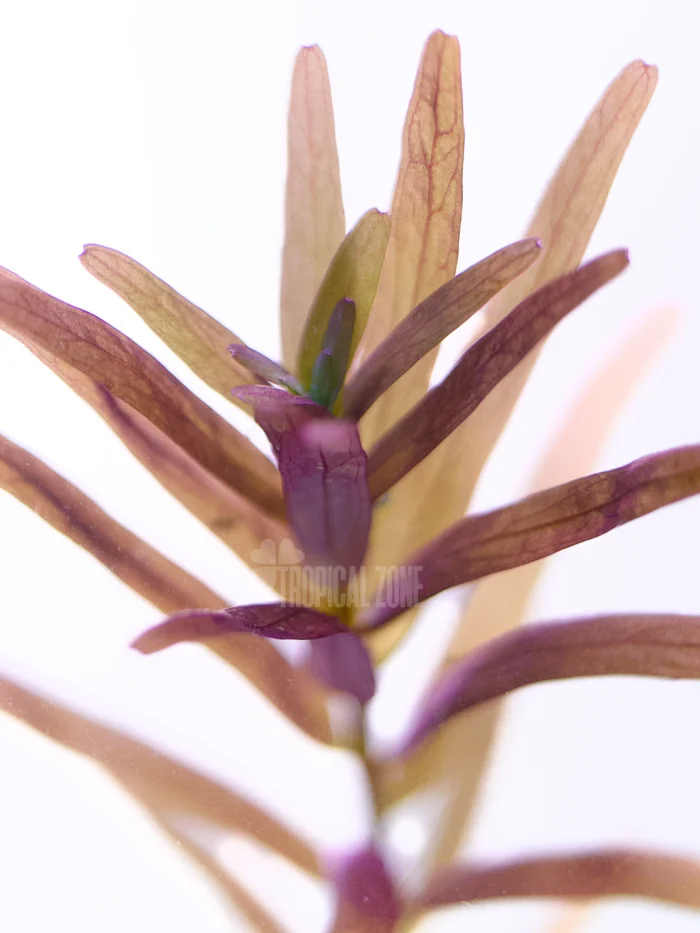
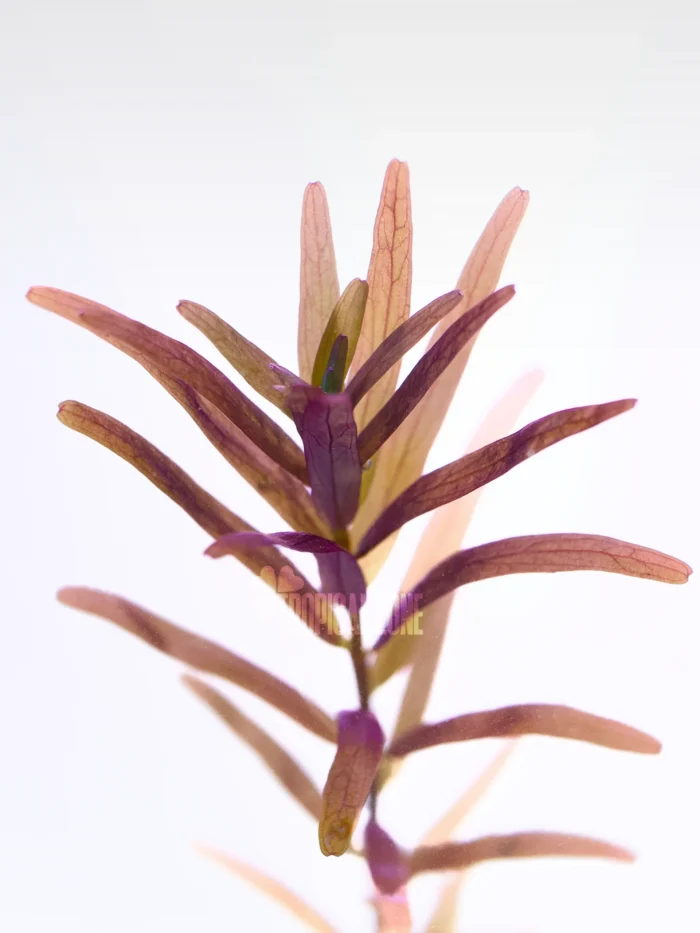
Alternanthera Reineckii ‘Mini’ is a compact red stem plant for colorful aquascapes. Great for foregrounds. Buy online with all India delivery
Note:
Free Delivery above ₹799 for plants
Description
Alternanthera Reineckii ‘Mini’ – Compact Red Stem Plant for Stunning Aquascapes
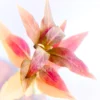
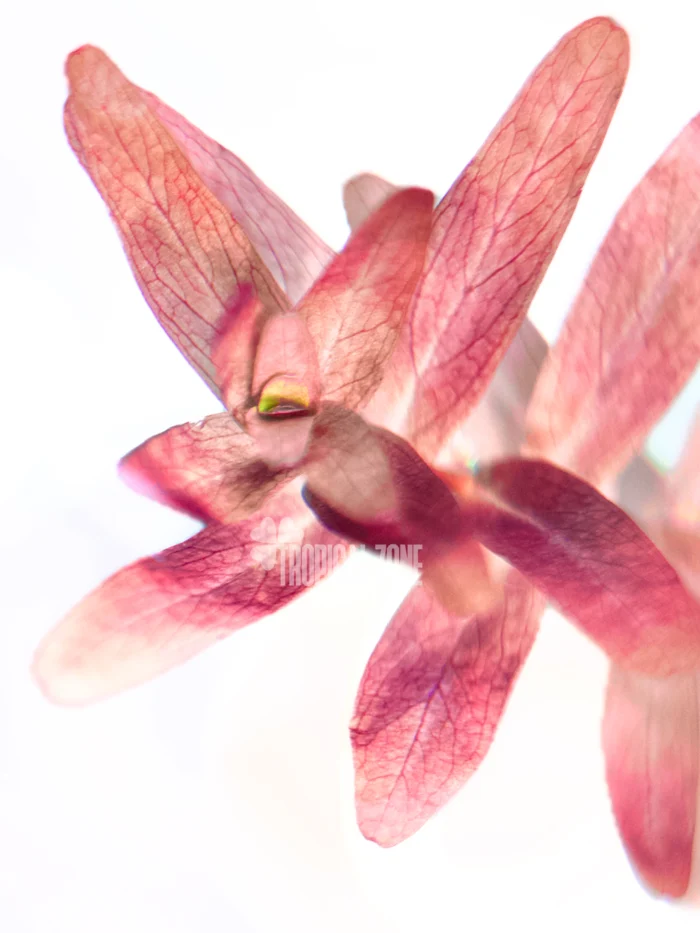
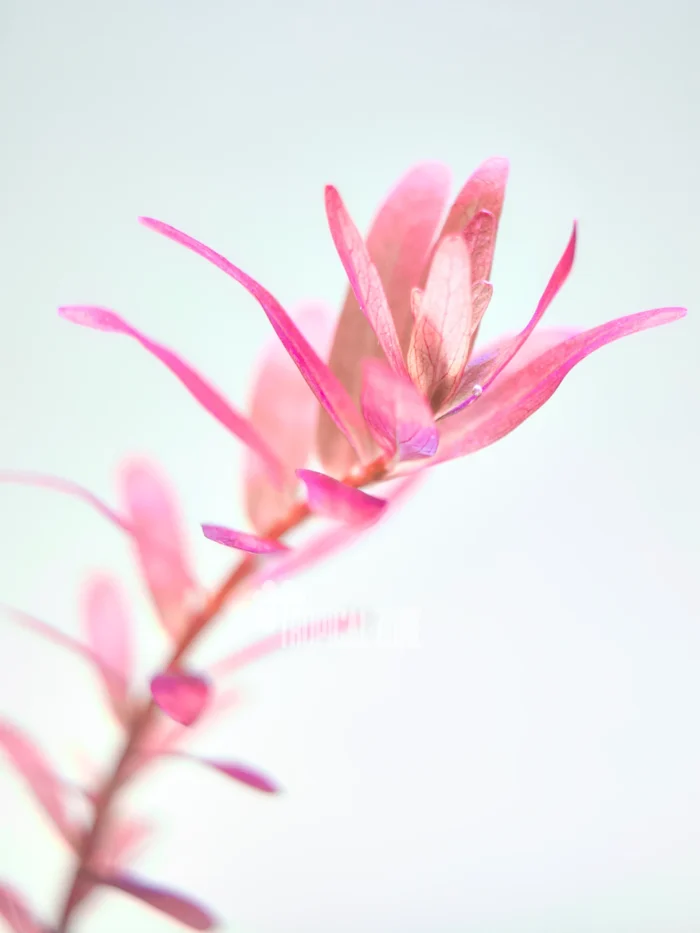
Alternanthera Reineckii ‘Mini’ is a beautiful compact version of the popular red stem plant. Known for its vibrant reddish-pink leaves, this plant is perfect for creating colorful midground or foreground accents in aquascapes.
With high light and CO₂, the colors intensify, making it a favorite choice for nature-style planted tanks.
Why Choose Alternanthera Reineckii ‘Mini’ for Your Aquarium?
✔ Compact growth – ideal for midground and foreground planting.
✔ Striking red hues – enhances contrast in aquascapes.
✔ Thrives with high light and CO₂ injection.
✔ Helps absorb excess nutrients and maintain water quality.
✔ Excellent for creating vibrant focal points.
How to Care for Alternanthera Reineckii ‘Mini’:
• Type: Stem plant
• Lighting: Medium to high – improves red coloration
• CO₂ and Fertilization: Highly recommended for best growth
• Substrate: Nutrient-rich aquasoil boosts development
Buy Alternanthera Reineckii ‘Mini’ Online with All India Delivery!
TropicalZone offers fresh AR Mini, perfect for a colorful and professional aquascape
Additional information
Plant Difficulty
Easy
Growth Rate
Fast
Light Requirement
High
CO2 Requirement
Moderate
Size
1 Bunch
Type
Stem
Native Location
South America
Reviews
There are no reviews yet.
Only logged in customers who have purchased this product may leave a review.
What is Alternanthera reineckii Mini, and how is it different from regular AR, Rosaefolia and Lilacina?
Alternanthera reineckii Mini (AR Mini) is a compact cultivated form of Alternanthera reineckii developed for smaller planted aquariums and aquascapes. Compared with regular Alternanthera reineckii, AR Mini has a shorter, more compact growth habit, making it particularly useful for foreground and midground planting. Rosaefolia generally develops larger foliage and taller stems, making it better suited to midground or background areas, while Lilacina is another distinctive form valued for its pink-to-purple coloration and different leaf appearance.
Although these plants belong to the same Alternanthera reineckii group, they should not automatically be treated as identical cultivars. For accurate identification, the scientific name and cultivar designation are more reliable than leaf colour alone, since aquarium conditions can significantly affect the appearance of red and purple plants.
Does AR Mini need CO₂, and what changes when it is grown with or without CO₂?
Alternanthera reineckii 'Mini' can grow without injected CO₂, but CO₂ supplementation can significantly improve its growth, compactness and colour intensity. In a low-tech aquarium without CO₂, AR Mini can remain healthy when provided with consistent lighting, adequate nutrients and stable water conditions, although growth is generally slower and the foliage may appear more bronze, pink or muted red. With injected CO₂, suitable lighting and balanced fertilisation, the plant can establish faster, produce denser growth and develop stronger red-to-purple coloration. CO₂ is therefore beneficial rather than mandatory. If your priority is maintaining a compact, intensely coloured red plant, combining CO₂ with appropriate lighting and nutrition will generally provide more favourable growing conditions than relying on CO₂ free conditions alone.
How should I grow AR Mini in a low-tech aquarium without CO₂?
Without injected CO₂, focus on creating a stable rather than excessively intense setup:
Lighting: approximately 6–8 hours per day initially, adjusted according to plant response and algae.
Fertilisation: provide a complete aquarium fertiliser according to the nutrient demand of the tank.
Substrate: nutrient-rich aquasoil is helpful but not essential if water-column nutrients are adequately supplied.
CO₂ not required.
Trimming: regular trimming helps maintain a compact group.
Water movement: gentle circulation should distribute nutrients without constantly damaging the leaves.
In a low-tech aquarium, expect slower growth and potentially more bronze, pink or muted red foliage than in a well-balanced CO₂ injected aquarium.
This makes AR Mini a realistic option for hobbyists who want a red plant without running a complete high-tech aquascaping system.
Does AR Mini need root tabs or liquid fertiliser?
Liquid fertiliser and root-zone nutrition can both be useful, but AR Mini primarily benefits from having consistent access to nutrients rather than depending exclusively on root tabs.
As a stem plant, Alternanthera reineckii 'Mini' can take up nutrients from the water column, making a balanced liquid fertiliser particularly useful.
Root tabs can provide an additional nutrient source when the plant is rooted in an inert or nutrient-poor substrate.
A practical approach is:
Aquasoil: usually provides substantial initial nutrients; liquid fertilisation can be adjusted according to plant growth and tank demand.
Inert gravel/sand: water-column fertilisation becomes more important, while root-zone supplementation can also help.
Heavy planting / frequent water changes: monitor nutrient availability rather than automatically increasing dosage.
Pale or deteriorating new growth: review the overall nutrient balance, lighting and CO₂ before assuming the plant simply needs more fertiliser.
Avoid excessive fertilisation in an attempt to make the plant red faster. Light, nutrients and carbon availability need to remain balanced.
Is AR Mini safe for shrimp and aquarium fish, and will it melt after planting?
AR Mini is generally suitable for planted community aquariums and shrimp tanks, but newly introduced plants can experience temporary leaf loss or melting while adapting to new growing conditions.
A plant grown above water emersed may have leaves adapted to atmospheric conditions. Once placed fully underwater, those leaves can deteriorate while the plant develops new submerged foliage.
This means some initial melting does not necessarily indicate that the plant has died.
After planting:
Remove severely damaged leaves.
Keep the healthy stems planted securely.
Maintain stable aquarium conditions.
Avoid making several major changes to light, fertilisation and CO₂ simultaneously.
Watch for new submerged leaves.
For shrimp aquariums, AR Mini can provide additional plant structure and surfaces where microorganisms and biofilm can develop. It is also generally appropriate for community fish tanks, although fish that aggressively uproot or consume plants can damage it.
New healthy growth is the best indication that an acclimating plant is establishing successfully.
How do I propagate AR Mini, and how many stems should I plant together?
AR Mini is propagated primarily through stem cuttings. Once a healthy stem has developed sufficient growth, cut the upper portion and replant the cutting into the substrate.
For a dense aquascape, avoid planting every stem directly against the next one. Giving each cutting some space allows light and water movement to reach the lower portions.
A useful starting density is approximately one stem every 2–3 cm, equivalent to roughly 1–2 stems per square inch. Adjust this according to the size of the cuttings and the desired final density.
For propagation:
Select a healthy stem with several nodes.
Cut the stem cleanly below a node.
Remove leaves from the lower portion.
Insert the lower stem into the substrate.
Leave the growing tip exposed.
Repeat as new side shoots develop.
Regular trimming encourages branching and allows you to gradually build a wider AR Mini group rather than planting a very dense mass on day one.
Can AR Mini handle Indian aquarium temperatures above 28°C?
Yes, AR Mini can be maintained in warm tropical aquariums, but prolonged temperatures above 28°C require closer attention to oxygenation, water quality and overall aquarium stability.
This is particularly relevant during Indian summer, when an aquarium without cooling can remain around 29–32°C or higher depending on the room, lighting and ventilation.
At higher temperatures:
Dissolved oxygen decreases as water becomes warmer.
Plant and fish metabolism can increase.
Algae can become more difficult to control.
Evaporation can concentrate dissolved minerals.
Unstable temperatures can stress newly planted specimens.
For Indian aquariums, aim to keep the tank as stable as practical, rather than repeatedly changing temperature during the day.
If the aquarium regularly exceeds 30°C, improving room ventilation, reducing unnecessary heat from lighting and maintaining good surface agitation can be more useful than simply increasing fertiliser or CO₂.
This makes temperature stability particularly important for planted aquariums during hot Indian summers.





Reviews
There are no reviews yet.