Description
Venus Flytrap Red Dragon – Dionaea muscipula Carnivorous Plant
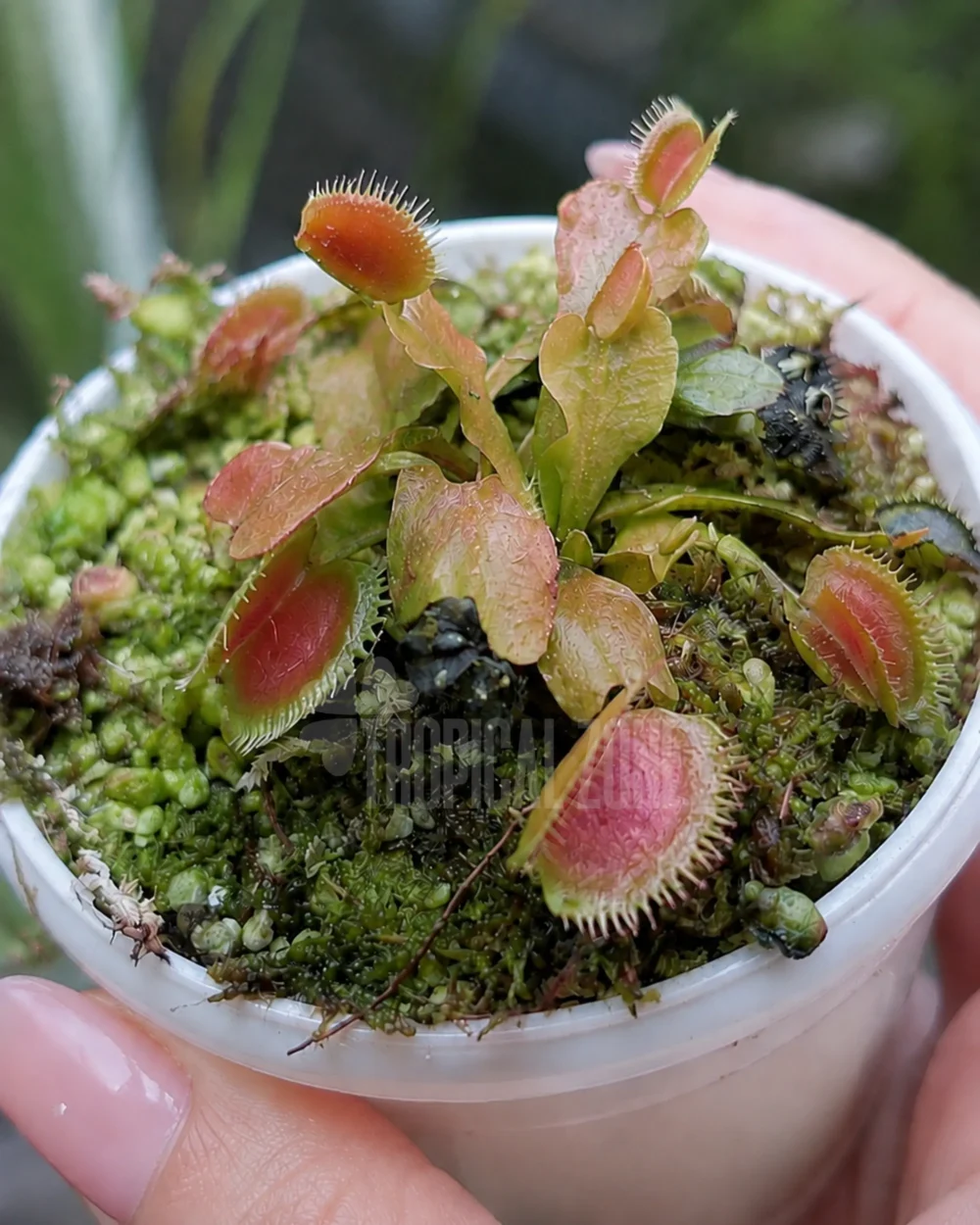
Venus Flytrap Red Dragon, botanically known as Dionaea muscipula ‘Red Dragon’, is one of the most striking and sought-after carnivorous plants for collectors. Famous for its deep red traps, dramatic toothed leaves, and active insect-catching behaviour, this rare Venus flytrap variety brings a bold, exotic look to any carnivorous plant collection. Its intense colour and fascinating snap-trap mechanism make it an exceptional choice for plant lovers, terrarium enthusiasts, exotic plant collectors, and anyone looking to grow a real insect-eating plant at home.
The Red Dragon Venus Flytrap is a cultivated variety of Dionaea muscipula, the famous carnivorous plant native to the wetlands of North and South Carolina in the United States. While standard Venus flytraps often have green outer leaves with red interiors, the Red Dragon cultivar is prized for developing rich burgundy, crimson, maroon, and dark red colour across much of the plant. Under strong light and correct care, the foliage can become beautifully intense, creating a dramatic contrast against pale sphagnum moss or a natural bog-garden setting.
Venus flytrap Red Dragon Stunning Red Carnivorous Plant
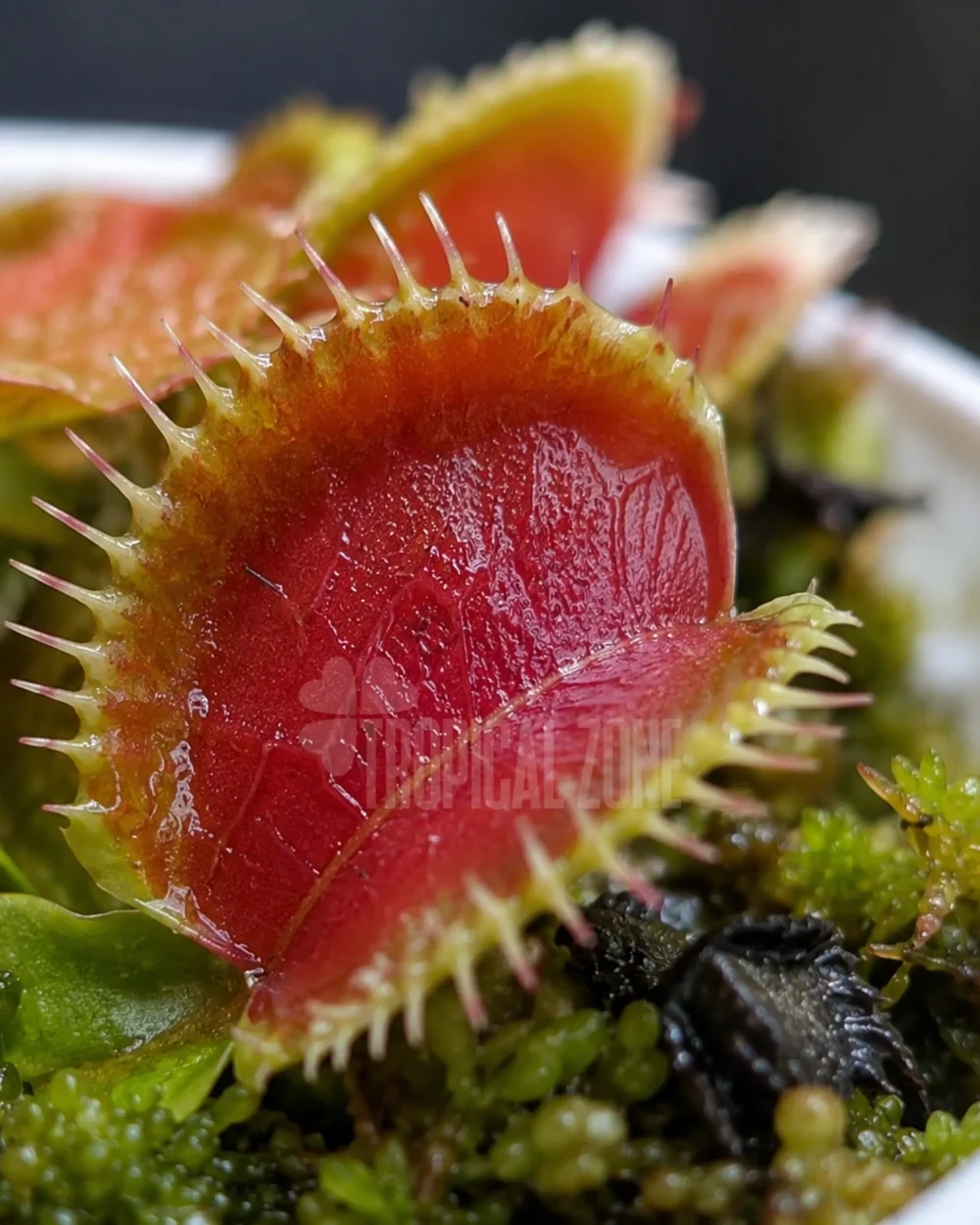
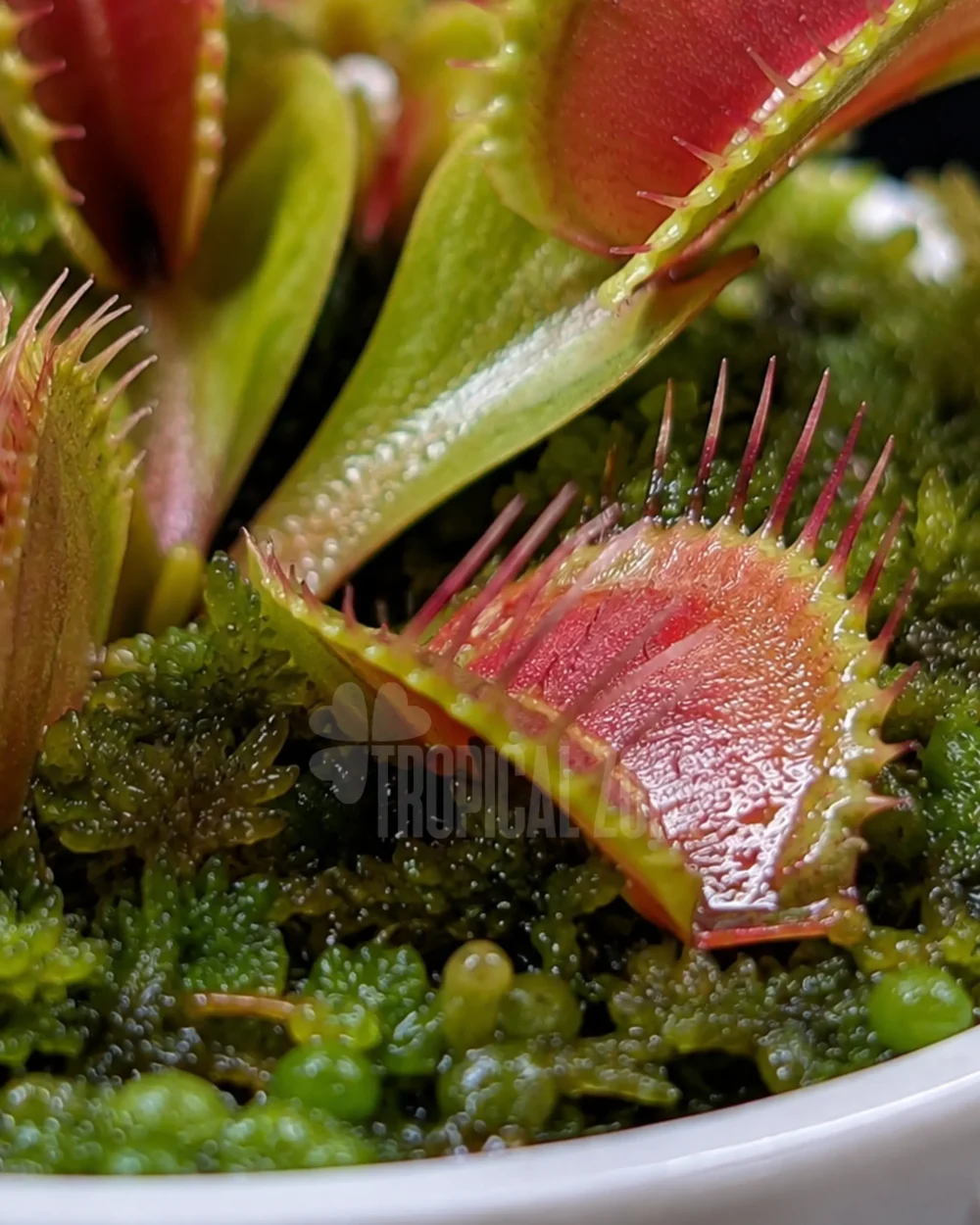
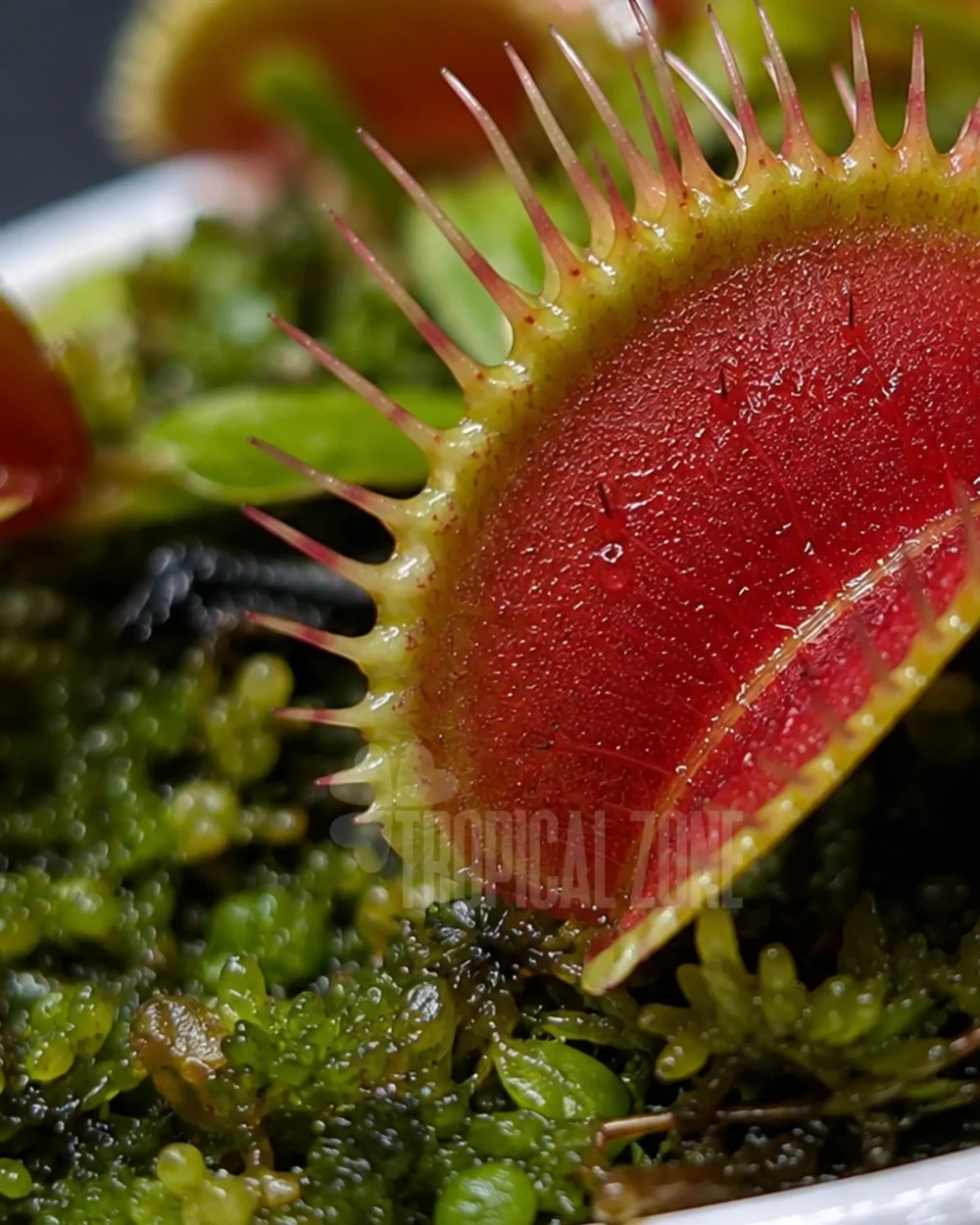
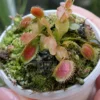
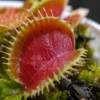
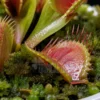
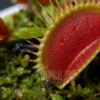
The defining feature of the Red Dragon Venus Flytrap is its remarkable red coloration. Its low-growing rosette produces modified leaves that form hinged traps with long tooth-like cilia around the edges. These traps may range from red-green in lower light to deep wine-red or burgundy in bright conditions. Every healthy trap looks like a tiny open mouth, making this plant one of the most unusual and visually exciting species in the world of carnivorous plants.
Strong natural sunlight or a suitable high-quality grow light is important for maintaining the best colour. Bright light encourages compact growth, stronger traps, and deeper red pigmentation. In low light, the plant may become greener, develop weaker traps, and grow more slowly. For growers seeking a truly colourful red Venus flytrap, providing adequate light is essential.
How the Venus Flytrap Catches Insects
Each open trap contains sensitive trigger hairs. When a small insect touches these hairs more than once within a short period, the trap closes quickly around the prey. The plant then digests the insect over several days and absorbs valuable nutrients, especially nitrogen, that are scarce in its natural nutrient-poor bog habitat.
This incredible movement is one of the reasons the Venus Flytrap Red Dragon is so popular with beginners and collectors. Watching a plant actively respond to prey offers a fascinating glimpse into nature. The plant can catch small insects such as ants, tiny flies, fungus gnats, and spiders. However, traps should never be repeatedly touched for entertainment, as unnecessary closing uses energy and can shorten the life of the trap.
Why Choose Venus Flytrap Red Dragon?
- Rare red Venus flytrap cultivar with dramatic burgundy and crimson traps.
- Fascinating active snap traps that catch small insects naturally.
- A striking centrepiece for carnivorous plant collections.
- Ideal for sunny windowsills, balconies, patios, and bog gardens.
- Perfect gift for plant lovers, children, and nature enthusiasts.
- Compact growth habit suitable for small pots and displays.
- Highly interactive and educational insect-eating plant.
- Develops stronger red colour under bright sunlight or grow lights.
- Excellent choice for Venus flytrap collectors and rare plant hobbyists.
Venus Flytrap Red Dragon Care
Growing a healthy Dionaea muscipula ‘Red Dragon’ is simple when its natural bog conditions are understood. The plant needs bright light, mineral-free water, nutrient-poor soil, and a seasonal winter dormancy period. Unlike regular houseplants, it should never be planted in normal potting soil or given standard fertilizer. Fertilized soil, compost, manure, and chemical plant food can damage or kill its sensitive roots.
Use a carnivorous plant growing medium such as sphagnum peat moss mixed with perlite or silica sand. Long-fiber sphagnum moss may also be used. The substrate should remain damp at all times during active growth, but it should not contain added fertilizers. A pot with drainage holes placed in a shallow tray of pure water is a reliable way to keep the plant hydrated.
Always use distilled water, reverse-osmosis water, or clean rainwater. Tap water commonly contains dissolved minerals and salts that build up in the soil over time. Mineral buildup can burn the roots, reduce trap production, and weaken the plant. Pure water is essential for long-term Venus flytrap care.
Light, Water & Temperature Requirements
Venus Flytrap Red Dragon grows best with several hours of direct sunlight each day. Outdoor morning sun and bright filtered afternoon light are often ideal in very hot climates. If growing indoors, use a strong grow light placed at an appropriate distance above the plant. Healthy light levels encourage compact foliage, vivid red colour, and larger, more active traps.
- Light: Bright direct sunlight or a strong full-spectrum grow light.
- Water: Distilled water, RO water, or rainwater only.
- Soil: Nutrient-poor peat moss and perlite or silica sand mix.
- Temperature: Comfortable in warm growing conditions during spring and summer.
- Humidity: Normal outdoor or indoor humidity is generally suitable.
- Fertilizer: Never use ordinary fertilizer or plant food.
Although Venus flytraps enjoy moisture, they do not require a sealed terrarium. In fact, a closed, stagnant terrarium can become too hot and humid, increasing the risk of fungal problems. A sunny windowsill, balcony, outdoor patio, open bog container, or well-ventilated grow-light setup is usually a better choice.
Winter Dormancy Is Important
Unlike many tropical carnivorous plants, the Red Dragon Venus Flytrap requires a winter dormancy period. As daylight hours shorten and temperatures cool, growth naturally slows. Some traps may turn black and die back, and the plant may appear small or inactive. This is normal seasonal behaviour, not necessarily a sign of poor health.
Allow the plant approximately three to four months of cool dormancy each year. During this period, reduce watering slightly while keeping the soil only damp, provide bright light where possible, and avoid feeding. A proper dormancy helps the plant recover its energy and return with strong new growth in the next growing season.
Feeding Your Red Dragon Venus Flytrap
A healthy Venus flytrap can naturally catch its own food when kept outdoors or near small insects. If needed, it may occasionally be fed a tiny insect that is small enough to fit completely inside the trap. Avoid feeding meat, cheese, cooked food, fertilizer, or insects that are too large. Each trap should close fully around its prey for successful digestion.
Do not overfeed the plant. One or two traps fed occasionally is enough. Repeatedly triggering traps without food can waste the plant’s energy. Let the Red Dragon Venus Flytrap use its spectacular trapping ability naturally and only feed when necessary.
Perfect For
- Carnivorous plant collectors
- Venus flytrap beginners
- Rare and exotic plant enthusiasts
- Sunny balcony and windowsill gardens
- Outdoor bog garden displays
- Educational nature projects
- Unique plant gifts
- Grow-light and insect-eating plant collections
Buy Venus Flytrap Red Dragon Online in India
Order Venus Flytrap Red Dragon online from TropicalZone and add a spectacular red carnivorous plant to your collection. Each plant is carefully selected and packed to help maintain plant health during transit. With safe packaging and reliable Pan India delivery, your Dionaea muscipula ‘Red Dragon’ can arrive ready to become an unforgettable feature in your sunny growing space.
Bring home one of the most dramatic insect-eating plants available. With its rich red traps, fast snap-trap action, compact growth habit, and fascinating seasonal life cycle, the Red Dragon Venus Flytrap is a must-have for every carnivorous plant enthusiast.
v




Reviews
There are no reviews yet.